


That constant thump-thump-thump of a leg scratching in the middle of the night… it’s a sound that can make any dog parent’s heart sink. Before we dive into which supplements can help, we first need to play detective and figure out why your dog is so itchy. Getting to the root of the problem is the only way to find real, lasting relief.
Why Is My Dog Constantly Scratching?
Imagine your dog’s skin is a bit like a brick wall. This wall, or skin barrier, is designed to do two crucial jobs: keep essential moisture locked in, and keep nasty invaders like allergens and bacteria out. When that wall is strong and solid, your dog feels great. But if a few bricks get loose or the mortar starts to crumble, trouble can get in, and that’s when the itching starts.
An itch is basically an alarm bell telling you that the skin’s defences have been breached. Irritants have snuck past the barrier, triggering the immune system to fight back with inflammation.
The Usual Suspects Behind an Itchy Dog
So, who are the culprits trying to break down this fortress wall? Pinpointing the attacker is your first step towards helping your dog feel comfortable again.
Here are the most common offenders:
- Environmental Allergens: Just like us, dogs can suffer from hay fever. Pollen, dust mites, and mould spores can all trigger an allergic reaction known as atopy. You’ll often notice them licking their paws, rubbing their face, or scratching their belly, especially at certain times of the year.
- Food Sensitivities: Sometimes the enemy is on the inside. A dog's immune system can overreact to certain ingredients in their diet, usually proteins like chicken or beef. This often shows up as non-stop itching, recurring ear infections, and sometimes an upset tummy.
- Pesky Parasites: Fleas are a nightmare for itchy dogs. For a dog with flea allergy dermatitis (FAD), a single bite can set off a chain reaction of frantic scratching and sore skin that lasts for weeks. Ticks and mites are no fun either and can cause serious irritation.
- Skin Infections: All that scratching can damage the skin, leaving it open to secondary bacterial or yeast infections. These uninvited guests make the inflammation, redness, and odour even worse, trapping your dog in a vicious cycle of itching and infection.
The goal isn’t just to stop the itch, but to rebuild the fortress. By figuring out what’s weakening your dog's skin barrier, you can choose supplements that strengthen its defences from the inside out and calm that fiery, inflammatory response.
A Growing Shift Towards Skin Support
It’s clear that pet owners across the UK are tired of seeing their dogs suffer. More and more, they’re looking for nutritional solutions to support their dog's skin from within. This isn’t just a trend; the numbers back it up.
The UK market for pet nutraceuticals, which includes supplements for itchy dogs, was valued at an estimated USD 279.8 million in 2025 and is expected to climb to USD 447.31 million by 2030. This boom is driven by owners seeking effective, natural ways to manage skin allergies, often with vets recommending specific products to complement traditional treatments. You can explore more about this growing market on Mordor Intelligence.
Once you have a good idea of what’s causing your dog’s discomfort, you can stop just chasing the symptoms and start proactively building up their skin health. This is the foundation for choosing the right supplements to help rebuild their fortress and finally give them some peace.
The Best Supplements for Soothing Your Dog's Skin
When your dog can't stop scratching, it's easy to feel helpless. The world of pet supplements is a crowded one, and figuring out what actually works can be a real headache. But it doesn't have to be so complicated. The key is to find ingredients that do more than just mask the itch—they need to support and strengthen your dog's skin from the inside out.
Think of it this way: if your dog's itchy skin is a fire alarm that’s constantly blaring, you don't just want to muffle the sound. You need to find the source of the fire and put it out. Some supplements act like firefighters, tackling the inflammation directly. Others are more like builders, reinforcing the skin's natural defences to stop future flare-ups before they start.
The image below shows some of the most common culprits behind that relentless itch, from pesky parasites to sneaky allergens in their food or environment.
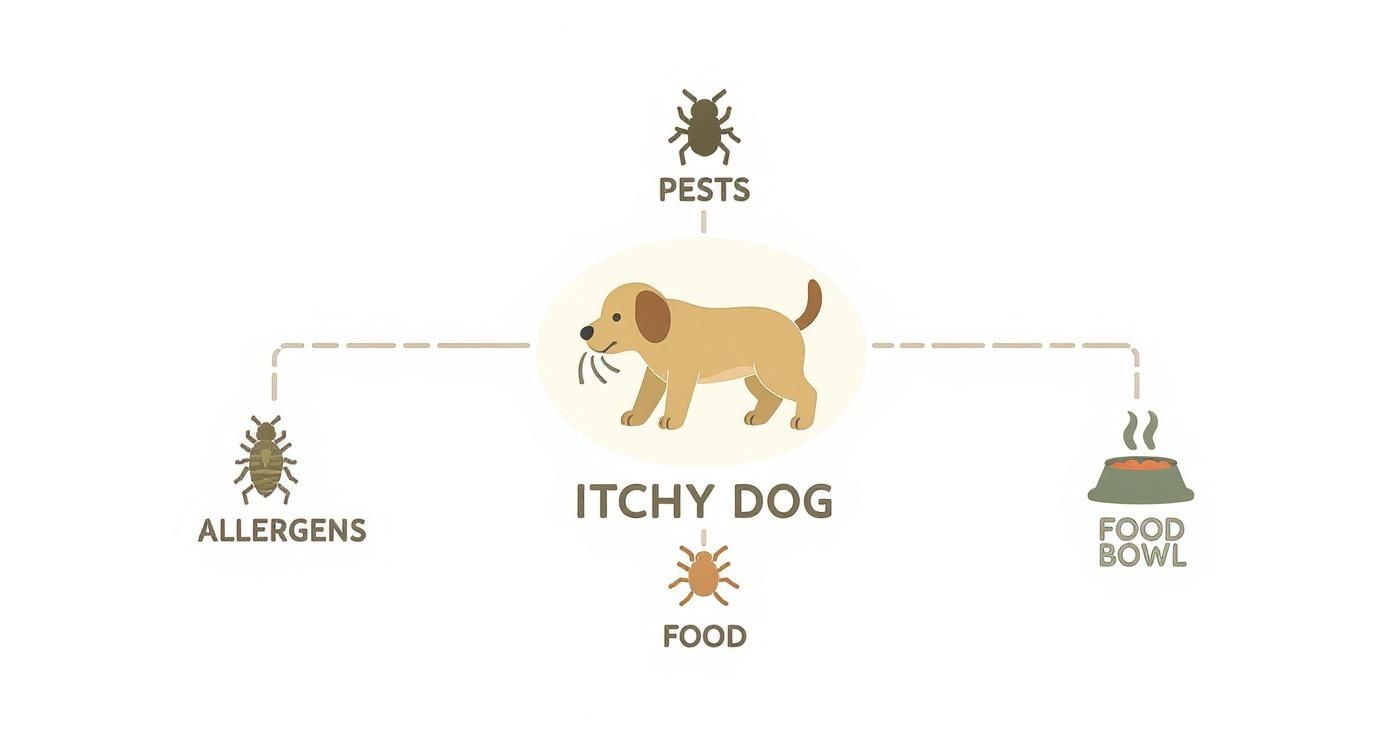
Pinpointing the likely trigger for your dog is the first step. From there, you can choose the right, science-backed ingredients to bring them some much-needed relief. Let’s dive into the most effective options.
1. Omega-3 Fatty Acids: The Inflammation Fighters
If there’s one superstar ingredient in the fight against itchy skin, it’s Omega-3 fatty acids. These healthy fats, especially EPA (eicosapentaenoic acid) and DHA (docosahexaenoic acid), are nature’s anti-inflammatories. They get to work on a cellular level, helping to calm the body's overactive inflammatory response—the very thing causing all that redness, swelling, and itchiness.
Typically sourced from cold-water fish like salmon and sardines, Omega-3s also help moisturise the skin and fortify its natural barrier. A stronger barrier means fewer allergens can get in, which helps break that frustrating cycle of irritation. It's no surprise that so many vets recommend them as a first-line defence for dogs with skin allergies.
2. Probiotics: Nurturing the Gut-Skin Axis
The idea that a healthy gut equals healthy skin isn't just a passing trend; it's a scientific reality known as the gut-skin axis. Your dog's digestive system is home to a bustling ecosystem of bacteria, and this microbiome is mission control for their immune system. When the bad bacteria start to outnumber the good, the immune system can go haywire and overreact to harmless things like pollen, triggering an allergic reaction that shows up as itchy skin.
Probiotics are simply the "good guys"—beneficial bacteria that help bring that ecosystem back into balance. By reinforcing the gut with these helpful microbes, you can help soothe an overactive immune response and dial down the severity of allergic reactions. It’s like sending in skilled negotiators to calm down a chaotic situation.
A healthy gut microbiome is like a well-tended garden. When the right plants (good bacteria) are thriving, they naturally keep the weeds (harmful bacteria) in check, preventing problems from spreading throughout the rest of the ecosystem—including the skin.
3. Botanical Support: Quercetin and Soothing Herbs
Sometimes, nature provides the best solutions. Quercetin, a natural compound found in foods like apples and berries, is often called "nature's antihistamine" for good reason. It works by helping to block the release of histamines, the very chemicals that cause the itching, redness, and swelling during an allergic reaction.
Adding a supplement with quercetin can provide gentle but effective relief, particularly for dogs struggling with seasonal allergies. Other botanicals, like stinging nettle leaf, also have a long history of use for their ability to help calm inflammation and discomfort.
4. Skin Barrier Nutrients: Zinc and Ceramides
For your dog's skin to act like a fortress against allergens, it needs the right building materials. Two of the most critical components for a strong skin barrier are zinc and ceramides.
-
Zinc: This essential mineral is a true workhorse for skin health. It plays a role in everything from cell repair and wound healing to keeping the immune system in check. A zinc deficiency can quickly lead to dry, flaky, and unhappy skin, so making sure your dog gets enough is fundamental.
-
Ceramides: Think of these as the "mortar" holding the skin cell "bricks" together. These fatty molecules are vital for locking in moisture and, crucially, keeping irritants and allergens out. Supplementing with ceramides helps replenish this natural barrier, making the skin less vulnerable to outside triggers.
By combining these different types of support—inflammation fighters, gut balancers, natural antihistamines, and barrier builders—you create a powerful, multi-pronged strategy. You're not just chasing symptoms; you're building healthier, more resilient skin from the ground up for lasting relief.
How Omega-3s Calm Inflammation
When you start looking into supplements for itchy dogs, Omega-3 fatty acids almost always top the list. There's a very good reason for that. Think of them as the body's natural firefighters, perfectly equipped to deal with inflamed, irritated skin.
To really get why they work so well, you have to picture what’s happening on a cellular level when your dog encounters an allergen.
Imagine your dog's immune system has a sort of "inflammation dial." When something like pollen or a trigger food gets into their system, that dial gets cranked all the way up. The body sends out a flood of pro-inflammatory messengers, and the result is redness, swelling, and that non-stop scratching. Omega-3s are brilliant because they help turn that dial back down.
The two most powerful Omega-3s are EPA (eicosapentaenoic acid) and DHA (docosahexaenoic acid). When a dog consumes these fatty acids, their body integrates them directly into cell membranes. This is a game-changer. It fundamentally alters the chemical signals the cells send, tipping the balance away from producing inflammatory compounds and towards creating calming, anti-inflammatory ones. It’s a biological shift from sounding the alarm to quietly resolving the problem.
Sourcing the Best Omega-3s for Your Dog
It's important to know that not all Omega-3s are created equal. For dogs, the most effective and readily usable forms of EPA and DHA come from marine sources, which is why fish oil is seen as the gold standard.
But you have to be picky about the fish. The specific type matters a great deal for both potency and safety.
- Best Sources: Small, oily, cold-water fish are the ideal choice. We're talking about sardines, anchovies, and mackerel. Because they sit low on the food chain, they don't accumulate the same levels of heavy metals and environmental toxins (like mercury) that larger, longer-living fish like salmon or tuna can.
- Purity is Paramount: Any high-quality fish oil supplement should be molecularly distilled or purified to strip out any potential contaminants. For your dog's long-term health, this is a non-negotiable step.
- Sustainability Matters: Look for products sourced from fisheries with sustainability certifications. This ensures we're protecting our oceans while giving our pets the best.
Choosing a fish oil from small, wild-caught fish isn't just a minor detail; it's a crucial safety measure. It means your dog gets all the anti-inflammatory goodness without the risk of toxins found in bigger fish.
What about plant-based Omega-3s, like flaxseed? They contain a precursor fatty acid called ALA. The problem is, dogs are notoriously bad at converting ALA into the active forms of EPA and DHA they need to fight inflammation. For this reason, marine-based oils are a much more direct and effective route to relief for itchy skin.
Finding the Right Dose and Quality
Getting the dose right is absolutely critical if you want to see a real difference. The amount of EPA and DHA your dog needs will depend on their body weight and just how bad their skin issues are. Vague instructions like "one pump a day" often don't cut it.
A therapeutic dose aimed at calming skin conditions is usually higher than a general wellness dose. Your vet is always the best person to ask for a specific recommendation, but a good supplement will offer clear dosing guidelines based on weight and the concentration of EPA and DHA in the product.
When you’re weighing up your options, keep an eye out for these hallmarks of quality:
- Clear EPA and DHA Amounts: The label shouldn't just list the total fish oil content. It needs to tell you the exact milligrams (mg) of both EPA and DHA in each serving.
- Third-Party Testing: The best brands will voluntarily send their products to an independent lab for testing. This verifies that the oil is pure, potent, and free from contaminants.
- Form: Fish oil is available as a liquid, in capsules, or in chews. For many owners, chews are a fantastic, mess-free option that guarantees your dog gets their full dose without any fishy smell lingering in the kitchen.
Bringing the right Omega-3 supplement into your dog's routine gives their body the essential tools to manage inflammation right at the source. If you want to dive even deeper, you can explore our comprehensive guide to Omega-3 fatty acids for dogs. It’s a proactive step that helps build healthier, more comfortable skin from the inside out.
The Gut-Skin Connection: Why a Healthy Tummy Means Calmer Skin
When your dog can't stop scratching, it's natural to focus on their skin. But while creams and shampoos offer temporary relief, the real source of chronic itching often starts somewhere you might not expect: their gut. The secret to soothing that irritated skin often lies in supporting their digestive system, all thanks to a fascinating communication highway called the gut-skin axis.

Think of this axis as a constant, two-way conversation between your dog’s gut and their skin. What happens in one directly impacts the other. A healthy, balanced gut is the cornerstone of a strong immune system, which in turn leads to resilient, healthy skin.
Picture Your Dog’s Gut as a Garden
To really grasp this idea, imagine your dog’s gut microbiome is a thriving garden. This internal ecosystem is home to trillions of tiny microorganisms, a mix of both helpful and harmful bacteria.
In a well-tended garden, the good plants (beneficial bacteria) flourish. They enrich the soil and keep the weeds (harmful bacteria) from taking over. These good bacteria are absolute powerhouses; they help break down food, create essential vitamins, and—crucially—they educate the immune system, teaching it how to distinguish a genuine threat from something harmless like grass pollen.
But what happens when that delicate balance gets thrown off? This state, known as dysbiosis, is like letting weeds run rampant. The overgrowth of harmful bacteria can damage the gut lining, creating a "leaky" barrier. This allows undigested food particles and other irritants to sneak into the bloodstream, triggering a full-blown immune system alert. With the immune system now on high alert, it starts overreacting to everything, and that inflammatory chaos often manifests on the skin as intense itching, redness, and hot spots.
An imbalanced gut sends scrambled messages to the immune system, essentially telling it to panic over nothing. This overreaction is a major driver of the allergic responses that leave so many dogs miserable and itchy.
How Probiotics Help Restore Order
This is exactly where probiotics step in. Probiotics are live, beneficial bacteria that act like fresh seeds and helping hands for your dog's internal garden. They work to restore a healthy, balanced microbiome.
By adding specific strains of these good microbes, you can deliver some powerful benefits for your dog’s skin:
- They Outcompete Bad Bacteria: Probiotics compete with the "weeds" for nutrients and space, making it much harder for them to thrive and cause problems.
- They Fortify the Gut Wall: These helpful bacteria help repair and strengthen the gut lining, patching up the "leaky" spots to prevent irritants from getting into the bloodstream.
- They Soothe the Immune System: A balanced gut sends calming signals to the immune system, helping to dial down its reactivity to everyday allergens. This can significantly reduce the severity of allergic skin reactions.
Of course, not all probiotics are created equal, and different strains have different jobs. For skin health, it's wise to look for supplements containing well-researched strains like Lactobacillus and Bifidobacterium, which are known for their ability to support the immune system and ease allergic inflammation. If you want to dive deeper, you can learn more about the roles of prebiotics and probiotics for dogs and see how they work together for total body health.
By focusing on your dog's gut health with the right supplements, you’re doing more than just chasing a symptom. You’re tackling one of the core reasons for chronic itching and helping to build healthier, calmer skin from the inside out.
4. Vitamins and Minerals: The Building Blocks for a Stronger Skin Barrier
While things like Omega-3s and probiotics are brilliant for calming things down internally, we can't forget about the skin itself. A dog's skin is its first line of defence against the outside world, and for it to do its job properly, it needs the right raw materials.
Think of your dog's skin barrier like a well-built brick wall. It’s designed to keep moisture locked in and troublesome allergens locked out. Vitamins and minerals are quite literally the bricks and mortar for that wall.
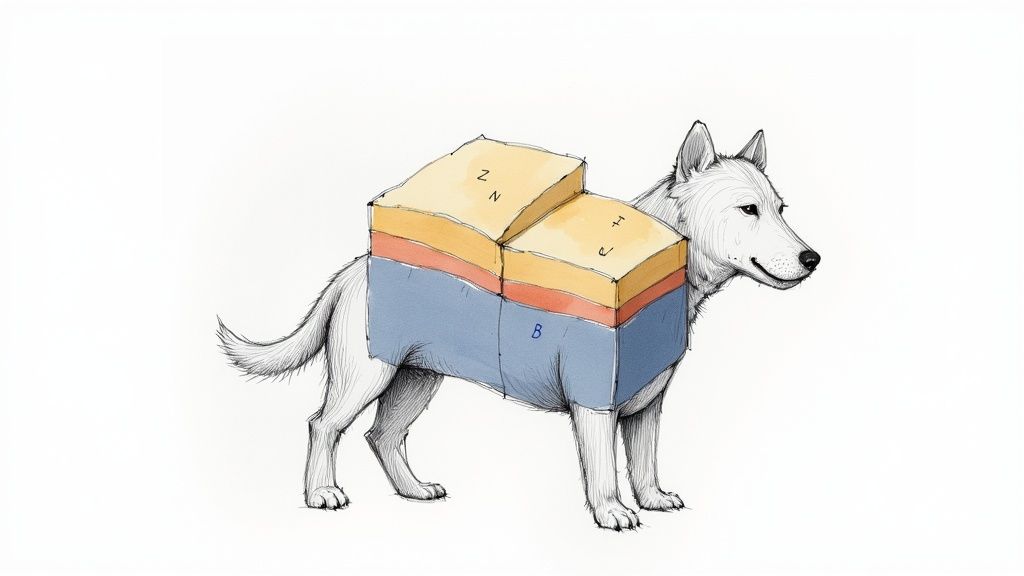
When a dog suffers from chronic itchiness, their body is constantly trying to repair skin damage. This high-turnover state can quickly use up its reserves of essential micronutrients, often faster than a normal diet can replace them. This is where a little extra support can make a huge difference.
The A-Team for Resilient Skin
A good quality, complete diet should always be the starting point, of course. But for dogs prone to skin issues, topping up certain key vitamins and minerals can really help fortify that skin barrier.
Here are a few of the most important players:
- Zinc: This is a real powerhouse for skin health. Zinc is absolutely essential for creating new, healthy skin cells and for wound healing. It also plays a crucial role in keeping the immune system's inflammatory response in check, so it doesn't overreact to every little thing.
- Vitamin E: A potent antioxidant, Vitamin E acts as a bodyguard for the skin cells, protecting them from damage caused by free radicals and environmental stress. It works in tandem with other nutrients to keep the skin barrier strong and flexible.
- B Vitamins: This group, especially Biotin (B7), is vital for processing the fats and proteins that make up the skin. Getting enough B vitamins helps ensure the skin stays hydrated, elastic, and can repair itself efficiently.
If these nutrients are in short supply, that "brick wall" starts to weaken. Tiny gaps appear, letting allergens like pollen, dust mites, and moulds slip through. This, in turn, triggers the immune system and starts that frustrating cycle of itching and scratching all over again.
Supplying the right vitamins and minerals isn't a quick fix. It's about giving your dog's body the fundamental tools it needs to build and maintain its own natural defences, making it far less vulnerable to irritants in the long run.
A Growing Focus on Foundational Health
It’s clear that dog owners across the UK are catching on to the importance of these foundational nutrients. In fact, market trends show that vitamins and minerals held the largest share of the entire UK pet supplements market in 2024.
With the market projected to grow at 8.07% annually between 2025 and 2033, it's obvious that proactive care is becoming the new norm. Itchy skin consistently ranks as one of the top reasons people take their dogs to the vet, so it’s no surprise they’re looking for ways to support their dog's health from the inside out.
This is all about building a solid foundation of health that allows your dog to feel comfortable in their own skin—literally. For a closer look at how these nutrients work together, you can check out our comprehensive guide on multivitamins for dogs.
Choosing a Safe Supplement and Knowing When to See a Vet
Walking down the pet aisle, it's easy to feel a bit lost. The shelves are packed with supplements for itchy dogs, all promising relief. So, how do you sort the genuinely helpful from the hopeful? Making a smart choice is one half of the puzzle; the other is knowing when a supplement isn't the answer and it's time to call the vet.
It all starts with learning to read a label like a pro. A good supplement has nothing to hide, so your first step should always be to see what's really inside that tub or bottle.
How to Evaluate Supplement Quality
Not all supplements are made equal. A flashy label doesn't mean a thing if the product inside doesn't deliver. To protect your dog, you need to look past the marketing claims and get down to the facts printed on the packaging. Your goal is to find a product that works and isn't packed with junk.
Here’s a quick checklist to keep in your back pocket:
- Look for the Active Ingredients: A reputable brand will clearly list its active ingredients (like Omega-3s or probiotics) and tell you exactly how much of each is in a single serving. Be wary of vague terms like "proprietary blend"—this can be a way to hide the fact that there isn't much of the important stuff in there.
- Spot Unwanted Fillers: Check the "inactive ingredients" list for things that have no business being there. Fillers like corn, wheat, soy, and artificial colours or flavours can sometimes cause allergic reactions themselves, completely defeating the purpose.
- Seek Out Third-Party Certifications: Look for seals of approval from independent bodies. A quality seal means the manufacturer follows strict production standards, giving you confidence that what’s on the label is what’s in the product.
The bottom line is that transparency is the mark of a trustworthy brand. If a company makes it hard to figure out what’s in their product, it’s probably best to move on. Your dog's health relies on the quality of what you give them.
Finding the Right Format for Your Dog
Supplements come in all shapes and sizes. The best one for you is often just a matter of what your dog will actually take without a fight.
- Oils and Powders: These can be great for getting the dose just right, but let's be honest—they can be messy. Plus, some dogs will turn their nose up at the taste or texture mixed into their dinner.
- Tablets: They’re convenient, for sure. But trying to get a pill into a reluctant dog every day can be a real battle, and missed doses mean the supplement can’t do its job.
- Soft Chews: This is where most dog owners find success. Good-quality chews are made to be tasty, turning supplement time into treat time. It’s a simple, fuss-free way to make sure your dog gets their full dose, every single day.
When Supplements Aren't Enough
While the right supplement can be a fantastic support, it’s not a silver bullet. Supplements are there to manage symptoms and bolster the body's natural defences, not to cure underlying medical problems. It's so important to recognise when it’s time to stop guessing and get an expert opinion.
Ignoring symptoms that just won't quit can turn a small issue into a much bigger one. Your vet is your best partner in your dog's health—they have the tools and knowledge to give you a proper diagnosis.
Keep a close eye out for these red flags. If you spot any of the following, it’s time to book a vet appointment straight away:
- Intense, relentless scratching that gets in the way of sleep or play.
- Open sores, scabs, or bleeding from all the scratching and chewing.
- Noticeable hair loss or bald patches appearing on their coat.
- A strange or foul smell coming from their skin or ears.
- Changes in their mood, like being unusually tired, irritable, or off their food.
These symptoms could point to a serious allergy, a nasty skin infection, parasites, or even another health issue entirely. Only a vet can run the right tests to find the root cause and recommend proper medical treatment, like medicated shampoos, antibiotics, or allergy medicines. Working with them ensures your dog gets the complete care they need for real, lasting relief.
At Tipaw, we're all about providing clear, effective, and vet-approved support for your dog's health. Our functional chews are made with 100% natural, science-backed ingredients to help soothe itchy skin from the inside out, with no nasty fillers. See how our targeted formulas can bring some much-needed comfort to your itchy friend at the Tipaw Store.


