


Supplements for older dogs are essentially concentrated nutritional boosts, specifically formulated to help manage the health hurdles that pop up with age. We're talking about common problems like stiff joints, a bit of forgetfulness, or a sensitive tummy. They deliver a potent shot of beneficial ingredients—things like glucosamine for achy joints or omega-3s for brain health—that might be missing from their regular food, helping your old friend stay comfortable, mobile, and happy.
Understanding Your Senior Dog's Changing Needs
As your loyal mate heads into their golden years, their body naturally starts to change. I like to think of it like a cherished classic car; it's still a fantastic machine, but it needs a bit more specialised care to keep it running smoothly. The standard diet and exercise routine that served them so well as a pup might not be enough anymore.
The ageing process touches almost every part of a dog's body. Their metabolism slows right down, which can make keeping a healthy weight a real challenge. At the same time, they often become less efficient at absorbing nutrients from their food, meaning they might not be getting all the goodness from their meals. This is where a nutritional gap can appear, and targeted support can make all the difference.
Key Areas Affected by Ageing
One of the first things most owners notice is a change in their dog's mobility. After a lifetime of running, jumping, and playing, the cartilage that cushions their joints starts to wear thin. This often leads to stiffness and discomfort, which is why so many supplements for older dogs are designed to support joint health.
But it’s not just about the joints. There are other, quieter shifts happening under the surface:
- Slower Digestion: An older dog's digestive system can get a bit sluggish, sometimes causing constipation or an upset stomach. The community of good bacteria in their gut can also get out of whack, affecting how well they absorb nutrients and even impacting their immunity.
- Weakening Immune System: Just like with people, a dog's immune defences can weaken with age. This can leave them more vulnerable to picking up bugs and may mean they take longer to bounce back when they do get ill.
- Cognitive Changes: The brain ages, too. You might spot small changes in your dog's behaviour—maybe they seem a little confused at times, their sleep schedule is off, or they've developed new anxieties. These can be early signs of cognitive decline, where the brain needs extra nutritional support to keep firing on all cylinders.
This is where proactive care really comes into its own. Supplements aren't a magic cure, but they are a fantastic tool for giving the body the specific building blocks it needs to cope better with the effects of ageing.
Once you understand these fundamental changes, the role of supplements for older dogs becomes much clearer. They aren't just a fad; they're a sensible way to tackle the specific physical challenges that come with a long and well-loved life. By providing targeted nutrients for their joints, brain, gut, and immune system, you’re helping your dog’s body stay strong and resilient. It’s all about supporting their health from the inside out, so their senior years can be as comfortable, active, and joyful as possible.
Supporting Senior Joints and Mobility
One of the first things you often notice as your dog gets older is a change in how they move. That effortless leap onto the sofa might become a bit of a struggle, and morning walks may start with a bit more stiffness. It’s a classic sign that their joints, after years of running, jumping, and playing, are starting to feel the strain. Helping them stay mobile is one of the biggest things you can do to keep their quality of life high.
Think of your dog's joints like the hinges on a well-used garden gate. Over time, the protective cartilage that ensures smooth, easy movement begins to wear thin, and the natural fluid that lubricates the joint starts to dry up. This leads to friction, inflammation, and discomfort, which is often diagnosed as osteoarthritis. The right old dog supplements, however, can provide the key ingredients needed to help repair, lubricate, and soothe these hardworking joints.
This visual guide shows just how interconnected a senior dog's health needs are, with joint support, digestion, and immunity all playing a part.
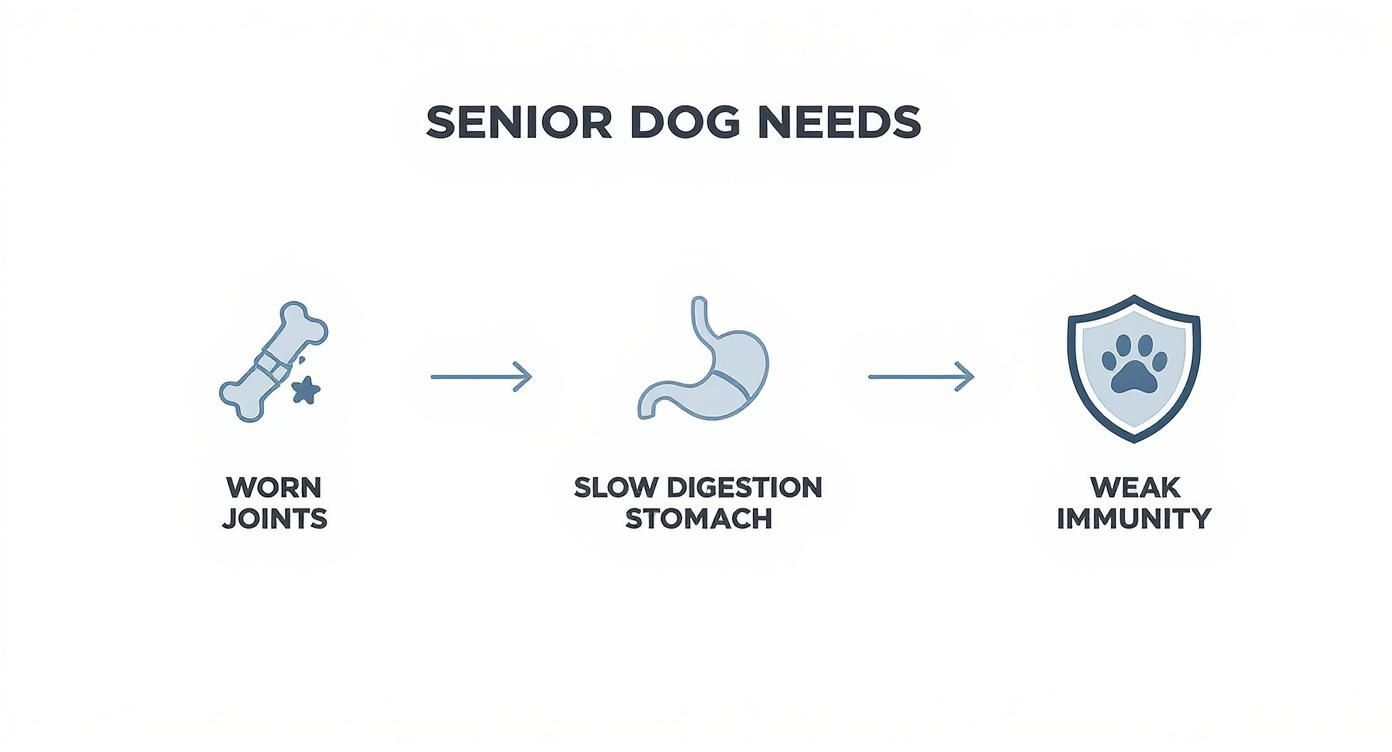
As the infographic highlights, worn joints are frequently the first domino to fall, leading to a cascade of other age-related issues that can impact your dog's overall happiness and health.
The Building Blocks of Joint Health
When you start looking into joint supplements for older dogs, you’ll see a few core ingredients pop up again and again. Each one plays a specific, vital role in keeping your dog’s joints in good working order. Knowing what they do makes it much easier to choose the best support for your old friend.
We've put together a quick guide to some of the most common ingredients you'll find in effective joint formulas.
Common Joint Support Ingredients and Their Functions
| Ingredient | Primary Function | Best For |
|---|---|---|
| Glucosamine | Acts as a fundamental building block for repairing and maintaining cartilage, the joint's natural cushion. | Dogs with early signs of stiffness or diagnosed cartilage wear; foundational support. |
| Chondroitin Sulphate | Helps cartilage retain water to stay spongy and shock-absorbent. It also blocks cartilage-damaging enzymes. | Working alongside glucosamine to improve joint structure and resilience. |
| Green-Lipped Mussel (GLM) | A natural source of omega-3s (especially ETA) that provides powerful anti-inflammatory effects to reduce pain and swelling. | Dogs showing clear signs of discomfort, pain, or inflammation-related stiffness. |
| Hyaluronic Acid (HA) | A key component of synovial fluid, which lubricates the joints and allows for smooth, friction-free movement. | Improving overall joint lubrication, especially in dogs with "creaky" or stiff joints. |
These ingredients often work best as a team. Glucosamine and chondroitin are the classic duo, forming the foundation of many formulas by addressing the joint's structure. But for real, comprehensive care, you also need to tackle the inflammation.
Taming Inflammation Naturally
While glucosamine and chondroitin are busy rebuilding, other ingredients get to work on reducing the inflammation that causes pain and stiffness. This two-pronged approach—rebuilding and soothing—is what makes for a truly effective mobility supplement.
Green-Lipped Mussel (GLM) is a real powerhouse, sourced from the pristine waters of New Zealand. It's packed with a unique blend of omega-3 fatty acids, including one called ETA (eicosatetraenoic acid), which has potent natural anti-inflammatory properties. GLM offers a brilliant way to soothe sore joints and ease discomfort, helping your dog move more freely and happily. To get a better understanding of how these ingredients work together, you can read more about the benefits of a complete joint supplement for dogs.
It's clear that more and more owners are turning to these solutions. In fact, the UK's pet supplement market has seen huge growth. The dog supplement segment alone was valued at around £117.5 million in 2022 and grew by over 32% between 2017 and 2021. This shows a definite shift towards using targeted supplements to manage long-term conditions like joint health.
Choosing a supplement that combines both structural support and anti-inflammatory ingredients gives you a well-rounded strategy. It’s not just about patching up the wear and tear; it's about actively reducing the inflammation that makes movement painful. This allows your dog to enjoy their daily walks and playtime with much more enthusiasm, forming a true cornerstone of excellent senior dog care.
Boosting Cognitive Health in Older Dogs
It’s easy to spot the physical signs of ageing in our dogs – that touch of grey around the muzzle, a slower pace on walks. But the changes happening inside their brain are often far more subtle. Just like people, dogs can experience a decline in cognitive function as they get older, a condition sometimes called Canine Cognitive Dysfunction (CCD), or "doggy dementia."
You might notice little shifts in their behaviour that seem a bit out of character. Perhaps your once-unflappable dog now seems anxious in familiar places, or their sleep patterns have gone haywire. These aren't just quirky habits of old age; they can be signals that their brain needs extra support to stay sharp. The right old dog supplements can act as "brain food," helping to protect neural pathways and maintain mental clarity.

Recognising the Signs of Cognitive Decline
Spotting the early signs of CCD is the first step towards helping your companion. The changes can creep in so gradually that they’re easy to miss or simply put down to old age. Paying close attention to these shifts allows you to step in sooner with nutritional support and simple adjustments at home.
Common signs to watch for include:
- Disorientation: Getting lost in the house, staring blankly at walls, or struggling to find their way around furniture they’ve known for years.
- Altered Social Interactions: Becoming withdrawn and less interested in a fuss or playtime, or showing uncharacteristic grumpiness with family members.
- Changes in Sleep-Wake Cycles: Sleeping more during the day but being restless, pacing, or barking at night.
- House Soiling: Forgetting their house-training, even though they’ve been perfectly reliable for years.
- New Anxieties: Suddenly developing fears or phobias, becoming extra clingy, or showing signs of separation anxiety.
Studies show that cognitive decline is surprisingly common. One report found that by age 11 or 12, 28% of dogs show signs of dementia. That figure jumps to a staggering 48% by age 14. These numbers really drive home how vital proactive brain support is for our senior friends.
Key Nutrients for a Healthy Senior Brain
Fortunately, we know that specific nutrients can support brain health by protecting cells from damage and giving them the fuel needed for clear thinking. Think of them as essential tools for maintaining your dog’s mental hardware and software as they get older.
Two of the most effective ingredients you’ll find in supplements for older dogs are Omega-3 fatty acids and antioxidants. Each one plays a unique but complementary role in preserving cognitive function.
Key Takeaway: A healthy senior brain relies on both structural support for nerve cells and protection from the daily wear and tear of ageing. The right nutrients can provide both, helping to slow cognitive decline.
Omega-3 fatty acids, especially one called DHA (docosahexaenoic acid), are quite literally the building blocks of the brain. DHA is a primary structural part of brain tissue and neural pathways. Supplementing with it helps to maintain the integrity of these pathways, ensuring messages can travel efficiently. For a deeper look at this, you can learn more about how Omega-3 fatty acid supplements benefit dogs.
On the other hand, antioxidants like Vitamin E and Vitamin C act as the brain's personal bodyguards. Over time, a process called oxidative stress creates harmful molecules called free radicals that damage brain cells, contributing to ageing and cognitive decline. Antioxidants work by neutralising these free radicals, shielding delicate brain cells from damage and helping to reduce inflammation.
By combining these powerful nutrients, you can create a supportive environment for your senior dog's brain. This nutritional approach helps them stay mentally engaged and connected to their family, giving them the confidence to navigate their world for as long as possible.
Nourishing Skin, Coat, and Digestion
A dog’s coat is often a fantastic barometer of their internal health. When you see a senior dog with a dull, dry coat or flaky skin, it can be one of the first clues that their digestive system isn't running as smoothly as it once did. These two areas are intrinsically linked, and giving them the right support is a cornerstone of keeping your older companion comfortable and happy.
As dogs age, so does their gastrointestinal (GI) tract. It’s a natural process. The body might produce fewer digestive enzymes, and the delicate ecosystem of good bacteria in the gut can get thrown out of whack more easily. This makes it tougher for them to break down their food and, crucially, to pull all the essential nutrients out of their meals.
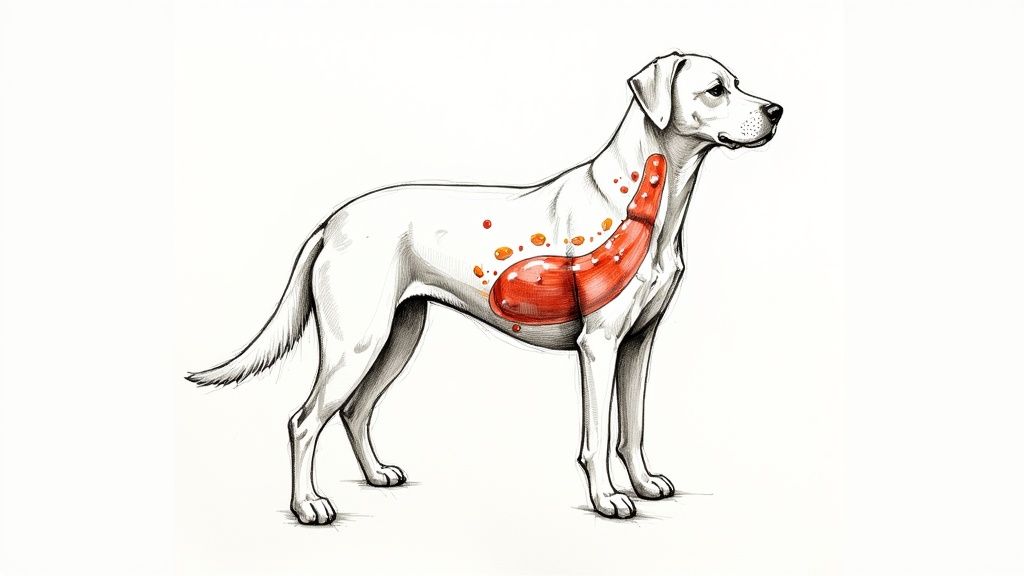
When the gut isn’t working at peak efficiency, you might notice common issues like gas, constipation, or the occasional bout of diarrhoea. But beyond the obvious discomfort, an imbalanced gut means vital nutrients needed for healthy skin and a strong immune system might be passing straight through, no matter how good the food you're feeding is.
Supporting the Gut Microbiome
Think of your dog's gut as a thriving garden, home to trillions of tiny organisms. This is their gut microbiome. For that garden to flourish, you need plenty of "good" bacteria to keep the "weeds" (the bad bacteria) from taking over. In older dogs, this balance can start to tip, which is where targeted old dog supplements can make a real difference.
Two of the most important players here are prebiotics and probiotics.
- Probiotics are the good guys themselves—live, beneficial bacteria. Adding them to your dog's diet is like planting new seeds in the garden, helping to restore a healthy balance that supports better digestion and a robust immune response.
- Prebiotics are essentially the fertiliser for those good bacteria. They're a type of fibre that feeds the beneficial microbes, helping them multiply and create a healthier gut environment from the ground up.
When you support the gut with both prebiotics and probiotics, you're creating a powerful partnership. The prebiotics provide the fuel to help the probiotics thrive, allowing them to effectively get to work and support your senior dog's digestive system.
Digestive enzymes are another fantastic tool in the box. These are the workers that break down fats, proteins, and carbs into smaller, easy-to-absorb pieces. Giving an older dog's system a boost with supplemental enzymes ensures they're getting every last bit of nutritional value from their food. You can learn more in our detailed guide on prebiotics and probiotics for dogs.
From a Healthy Gut to a Lustrous Coat
So, how does a happy gut lead to a shiny coat? It’s simple: when the digestive system is absorbing nutrients properly, those building blocks can get to where they’re needed most—including the skin and fur. If your senior's coat has lost its lustre or their skin seems dry, it’s a good bet that key nutrients aren't making the journey.
This is where essential fatty acids, particularly Omega-3 and Omega-6, come into their own. These fats are the foundation of a healthy skin barrier, which is what locks moisture in and keeps allergens and irritants out.
Omega-3s, like the EPA and DHA found in fish oil, are famous for their natural anti-inflammatory power. This is incredibly helpful for older dogs prone to itchy, irritated skin or allergies. By calming that inflammation, they help soothe the skin and build a more resilient barrier against future flare-ups.
Omega-6s, often found in plant-based oils, are more about structure. They are vital for skin integrity and play a direct role in producing that wonderful, healthy shine. A supplement providing a balanced ratio of both fatty acids offers complete support, nourishing the skin and coat from a cellular level to promote a gloss that truly reflects your dog’s inner health.
How to Choose a Safe and Effective Supplement
Walking down the pet aisle and looking at supplements can feel a bit like trying to pick a new phone. The shelves are packed, every box makes a bold claim, and it's tough to know which one will actually deliver. How can you be sure you're picking a product that's genuinely going to help your old friend and, most importantly, is completely safe?
The good news is, you don't need a veterinary degree to make a smart choice. It really just comes down to knowing what to look for on the label, understanding who to ask for advice, and spotting the brands that truly care about your dog's health.
It's a step more and more owners are taking. In fact, the UK pet products market, which includes supplements, was valued at nearly £1.97 billion in 2024. This isn't just a trend; it's driven by owners like you who are looking for specific solutions for their ageing dogs, especially natural ingredients and easy-to-give formats like chews. You can find more details in this report on the booming UK pet products market.
Start with Your Vet
Before you even think about adding something to your online shopping basket, your first stop should always be a chat with your vet. They hold the complete picture of your dog's health—their history, any existing conditions, and the medications they're already on.
Your vet is your best resource to:
- Confirm the Need: Is that stiffness really arthritis? Is their tummy trouble something a supplement can fix? Your vet can give you a proper diagnosis, so you're not just guessing.
- Prevent Interactions: Just like with human medicines, supplements can sometimes clash with prescriptions. Your vet will know which combinations are safe and which to avoid.
- Recommend Specific Ingredients: Based on their diagnosis, they can point you towards the ingredients with the most evidence behind them, like glucosamine for joints or probiotics for gut health.
Think of your vet as your trusted guide in all this. Their professional advice ensures you're making choices based on solid medical reasoning, not just clever marketing slogans.
How to Read a Supplement Label Like a Pro
Once your vet has given you the green light, it’s time to put on your detective hat and learn to read the label. The packaging holds all the clues you need to gauge a product's quality. Don't be dazzled by fancy graphics; the small print is where the real story is.
A great brand will be completely open about what’s inside their product. If the label is vague, confusing, or seems to be hiding information, that’s usually a red flag.
When you pick up a product, zero in on the list of active ingredients. This is the stuff that does the actual work. You want to see specific names, like 'Glucosamine HCl' or 'Chondroitin Sulphate', not a fuzzy term like 'joint support blend'. The label must also clearly state the concentration of each active ingredient per serving, which lets you know if the dose is potent enough to make a difference.
Next, glance at the inactive ingredients. These are the bits and pieces that hold the chew together or give it flavour. In a good supplement, this list should be short and simple, full of natural ingredients and free from artificial additives or common allergens like wheat that might upset a senior dog's sensitive stomach.
Quality, Manufacturing, and Form All Matter
Beyond the ingredients, a few more details separate the truly brilliant supplements from the merely average ones. First, look for signs of quality control. A certification like GMP (Good Manufacturing Practices) is a great indicator, as it means the product was made in a facility that meets strict safety and quality standards.
Even better is a brand that invests in third-party testing. This means an independent lab has checked the product to confirm it contains exactly what the label claims and is free from any nasty contaminants. It’s an extra step that shows a real commitment to your dog’s safety.
Finally, think about the form the supplement comes in. What’s easy for one dog might be a daily battle with another, especially an older dog with their own set of quirks.
- Soft Chews: These are usually a winner. Most dogs see them as a daily treat, making them a fantastic and fuss-free option for seniors.
- Liquids: Perfect for dogs with sore teeth or for those fussy eaters who turn their nose up at anything new. You can just mix it right into their dinner.
- Powders: Like liquids, powders are easy to stir into wet or raw food and often come in highly concentrated forms.
Choosing a form your dog enjoys makes your life easier and ensures they get their supplement consistently, which is key to seeing real results.
Here is a quick checklist you can use to vet any supplement you're considering.
Supplement Quality Checklist
Use this checklist to evaluate and compare different old dog supplements before you buy.
| Quality Check | What to Look For | Why It Matters |
|---|---|---|
| Vet Consultation | Have you discussed this supplement with your vet? | Your vet knows your dog's full health history and can confirm the need and safety. |
| Clear Active Ingredients | Are the key ingredients and their amounts listed clearly? | Vague "blends" can hide low, ineffective doses. You need to know what you're paying for. |
| Minimal Inactive Ingredients | Is the list of "other" ingredients short and natural? | Avoids unnecessary fillers, sugars, and artificial additives that can cause digestive upset. |
| Third-Party Testing | Does the brand mention independent lab testing for purity and potency? | This verifies that what's on the label is actually in the product, and that it's free from contaminants. |
| Manufacturing Standards | Is there a GMP (Good Manufacturing Practices) certification mentioned? | This ensures the product was made in a clean, controlled facility that follows strict safety protocols. |
| Appropriate Form | Is it a chew, liquid, or powder that will be easy for your dog to take? | If it's a battle to administer, you're less likely to be consistent, and the supplement won't work. |
| Brand Transparency | Is it easy to find contact information and more details on their website? | A reputable company will be open, accessible, and proud to share information about its products. |
Keeping these points in mind will help you cut through the noise and find a high-quality product that provides genuine support for your senior dog's health and happiness.
Integrating Supplements into Your Dog's Daily Routine
Bringing a new supplement into your senior dog’s life is a brilliant move, but consistency is where the real magic happens. Just like their daily walk or favourite snooze spot, old dog supplements deliver their best results when they become a reliable part of the daily rhythm. Making it a habit is the secret to unlocking their full potential.
It’s also a game of patience. As much as we'd love to see an instant transformation, most natural supplements don't work like a switch. It can often take anywhere from four to twelve weeks of daily use for the active ingredients to build up and make a noticeable difference to their mobility, mind, or coat.
Understanding the Loading Dose
For some supplements, especially those for joint health, you might hear your vet mention a "loading dose." Think of it like priming a pump. For the first few weeks, you'll give a slightly higher amount to quickly get the beneficial compounds circulating in your dog’s system.
Once that initial phase is over, you can drop down to a lower, long-term "maintenance dose" to keep things ticking over nicely. This approach is all about kick-starting the benefits, so you might see those positive changes a bit sooner. Always stick to the product's instructions or your vet's specific advice on this.
Tips for Fussy Eaters
Let's be honest, some dogs have a sixth sense for spotting something new in their food bowl. If you're living with a particularly picky eater, don't despair. There are plenty of clever tricks to make supplement time a treat rather than a battle of wills.
Here are a few tried-and-tested ideas:
- Pill Pockets and Tasty Hideaways: You can buy specially designed pill pockets, but homemade solutions work just as well. A small piece of cheese, a dollop of xylitol-free peanut butter, or a little bit of lean cooked meat can be the perfect disguise.
- The Power of Mixing: Powders and liquids are often best mixed into something with a strong, appealing aroma. A spoonful of wet food, some plain Greek yoghurt, or even a splash of bone broth can easily mask the new flavour and scent.
- Create a Routine: Try giving the supplement at the same time every day, maybe just before a meal or a walk when your dog is already excited and less likely to be suspicious. This helps it become just another normal part of their day.
Remember, the goal is to make it a positive experience. If you're stressed, your dog will pick up on it. Keep it light, offer lots of praise, and turn their daily supplement into just another enjoyable moment you share.
Tracking Progress for Better Care
So, how do you really know if a supplement is working? The improvements can be so gradual that they’re easy to miss in the day-to-day. This is where keeping a simple journal can be an absolute game-changer.
You don't need anything fancy—a notebook or even a note on your phone will do. Once a week, just jot down a few observations about the key areas you're hoping to improve.
What to Track in Your Journal:
- Mobility: How easily are they getting out of bed in the morning? Are they tackling the stairs with more confidence? Do they seem less stiff after a good run?
- Cognitive Function: Are they more engaged during playtime? Do they seem less confused or anxious? Are they sleeping more peacefully through the night?
- Skin and Coat: Does their fur feel softer and look shinier? Is their skin less flaky or irritated?
- Overall Mood: Do they just seem happier? More energetic or more interested in things they used to love?
This simple habit does two brilliant things. First, it gives you a clear, tangible record of their progress, which is incredibly rewarding to see. Second, it provides you with concrete information to share with your vet, helping them to fine-tune your dog’s care plan for the best possible results.
At Tipaw, we believe that supporting your senior dog's health should be simple and effective. Our tasty, functional chews are made with 100% natural, vet-approved ingredients, making it easy to give your companion the daily boost they need. Explore our range and find the perfect support for your dog's golden years at https://www.store-tipaw.com.


