


If you've ever found yourself desperately searching for a way to stop your dog's constant scratching, licking, and chewing, you're certainly not alone. A holistic treatment for dogs with allergies is all about stepping back from just suppressing the symptoms and instead focusing on bringing their whole system back into balance. It’s about looking at diet, their environment, and their internal health as one interconnected puzzle to build a solid foundation for real, long-term comfort.
Why Dog Allergies Are So Common

It really does seem like more dogs are struggling with allergies these days. The tell-tale signs are hard to miss: relentless paw licking, chronic ear infections, and angry, red skin. It’s a miserable experience for our dogs and a stressful one for us. So, what’s really behind this rise in allergic reactions?
The truth is, it’s a mix of different factors that put a constant strain on our dogs' bodies. A great way to think about it is to picture your dog's immune system as a bucket. When your dog is healthy, the bucket has plenty of spare capacity. But over time, different triggers start filling it up.
Understanding the Allergy Bucket
Every single potential irritant, big or small, is like a drop of water going into your dog's "allergy bucket." These irritants come from all angles, and their combined effect is what eventually causes problems.
- Environmental Triggers: Things like pollen from grass and trees, pesky dust mites hiding in our homes, and even the chemicals in our household cleaners all add to the load.
- Dietary Factors: Highly processed foods, common protein triggers like chicken or beef, and the artificial additives found in many kibbles contribute more drops to the bucket.
- Internal Health: A compromised gut or an imbalanced microbiome can put the immune system on high alert, effectively making the bucket smaller to begin with.
Once the bucket is full, it has to overflow. That overflow is what we see on the outside as an allergic reaction—the non-stop itching, the rashes, and the general misery. Conventional treatments often just try to mop up the spill, but they don't do anything to stop the bucket from filling up again.
A holistic approach isn't about finding a single 'cure'. It's about systematically reducing the total load on your dog's body by addressing diet, environment, and internal support. The goal is to lower the level in the bucket so it no longer overflows.
The Holistic Philosophy for Allergy Relief
This is exactly where a holistic treatment for dogs with allergies offers a smarter, more sustainable path forward. Instead of just chasing symptoms, the goal is to empty the bucket and keep it from overflowing in the future. It’s a multi-layered strategy that supports the whole dog, not just the itchy skin.
This guide will show you how to build that stronger foundation for your dog. We’ll dive into how simple dietary tweaks, clever environmental management, and targeted natural supplements can work together to bring things back into balance. By supporting your dog's innate ability to heal, you can finally help them lead a happier, itch-free life.
Getting to the Bottom of Your Dog's Itch
Before you can start to soothe your dog's allergies, you have to put on your detective hat. Figuring out what’s actually causing the discomfort is the single most important step towards finding lasting relief. That constant scratching, paw licking, and those miserable ear infections aren't just random problems; they're clues pointing to an underlying trigger.
Think of an allergic reaction as a case of mistaken identity. Your dog's immune system, which is meant to be a finely-tuned bodyguard against real threats like viruses, accidentally flags a perfectly harmless substance—like a bit of pollen or a specific food protein—as a dangerous invader. This mistake kicks off an over-the-top defensive response, leading to the inflammation and relentless itching that's making your dog miserable.
The real challenge? These harmless culprits are everywhere. Nailing down the specific one often takes a bit of patience, careful observation, and a solid partnership with your vet.
The Three Main Allergy Culprits
Most dog allergies fall into one of three buckets. While the symptoms can look frustratingly similar, where they come from is totally different, and knowing the source is crucial for building a plan that actually works.
-
Environmental Allergies (Atopy): This is, by far, the most common type of allergy we see in dogs. Just like a person with hay fever, a dog can react to all sorts of things in the air—pollen, dust mites, mould spores, and grasses are classic offenders. The symptoms often have a seasonal pattern, flaring up in spring or autumn, but they can easily become a year-round battle if the trigger is something indoors, like dust.
-
Food Allergies: A genuine food allergy is an immune system response to a specific ingredient, almost always a protein like chicken, beef, or dairy. This is different from a food sensitivity, which might cause an upset tummy but doesn't involve the same immune reaction. If you want to dive deeper, our guide to dog food allergy symptoms breaks it all down.
-
Flea Allergy Dermatitis (FAD): For some dogs, this is an intensely miserable reaction to flea saliva. With FAD, it's not about being infested; just one or two bites can set off a severe, widespread itching frenzy, which you'll often see concentrated around the base of their tail and back legs.
This isn't just a small problem, either. It's a growing concern for dog owners everywhere. Here in the UK, interest in dog allergies has shot up, with articles on the topic seeing a 51.1% increase in readership between 2023 and 2024. Vets are seeing it too, with data suggesting that up to 15-20% of the UK’s 10.2 million dogs suffer from atopic dermatitis. The good news is that more holistic approaches are making a real difference. UK vets have noted that around 70% of dogs trying natural supplement regimens showed less scratching within just four to six weeks.
Your Vet Visit: What to Expect
A proper diagnosis from your vet is the foundation for everything that follows. Guesswork just leads to frustration for you and continued discomfort for your dog. Your vet will start with a thorough physical exam and ask lots of questions about your dog's symptoms, diet, and daily routines.
From there, they might suggest a few key steps to pinpoint the trigger.
-
Skin or Blood Tests: For suspected environmental allergies, your vet might recommend either skin testing or a blood test. These help identify the specific culprits—like certain pollens or moulds—that are causing the reaction.
-
Elimination Diet: If a food allergy seems likely, the gold standard for diagnosis is an elimination trial. This is a strict process where you'll feed your dog a very simple diet with a "novel" protein and carbohydrate (ingredients they've never had before) for about 8-12 weeks. If their symptoms clear up, you slowly reintroduce old ingredients one by one to see which one causes the itching to return.
Key Takeaway: A clear diagnosis isn't just a label; it's your roadmap. It gives you the power to make targeted, effective changes to your dog's diet and environment, moving you away from guesswork and towards a confident, holistic plan of action.
Building a Resilient Foundation with an Anti-Inflammatory Diet
When it comes to getting real, lasting relief for your dog's allergies, you won’t find the answer in a quick-fix pill. It starts right in their food bowl. Nutrition is, without a doubt, the cornerstone of any holistic plan, giving you the power to calm an overactive immune system from the inside out.
Imagine chronic inflammation as a low-grade fire constantly smouldering inside your dog. The right foods act like water, helping to douse those flames. The wrong ones? They're like kindling, fuelling the flare-ups that manifest as that relentless itching and skin misery we know all too well. An anti-inflammatory diet is designed to cool this internal heat, providing nutrients that heal and avoiding ingredients that irritate.
The Power of Whole Foods
The guiding principle here is beautifully simple: stick to real, unprocessed, nutrient-rich ingredients. So much of the highly processed kibble on the market is packed with fillers, artificial preservatives, and mystery-meat proteins that only add to the inflammatory burden and strain your dog’s digestive system.
Switching to whole foods gives your dog’s body the raw materials it needs to repair irritated skin, support a healthy gut microbiome, and get its immune response back on track. The aim is to build a strong, resilient foundation so their body can handle environmental triggers far more effectively.
This flowchart breaks down the journey from first spotting the signs of an allergy to working with your vet for a proper diagnosis.

Getting to grips with this process is the crucial first step before you can build a truly targeted and effective diet for your dog.
Navigating the Elimination Diet
If you and your vet suspect a food allergy is at play, the gold standard for pinpointing the culprit is an elimination diet. It’s a process that demands patience, but the clarity it provides is invaluable. It gives you a clear road map for what your dog needs to eat for the long term.
Here's how it works:
- Choose a Novel Protein: The first job is to pick a protein source your dog has never had before. Think duck, venison, rabbit, or even something more exotic like kangaroo.
- Select a Single Carbohydrate: Pair that new protein with one simple, easy-to-digest carbohydrate, again, one that's new to them. Sweet potato or pumpkin are excellent choices.
- Strict Adherence is Key: This is the hard part. For 8-12 weeks, your dog can eat nothing but this simple two-ingredient diet. No treats, no dental chews, no tidbits from your plate. Anything extra can skew the results.
- Monitor Symptoms: Keep a diary. Track their scratching, the condition of their skin, their ear health, and their overall mood. A dramatic improvement is a fantastic sign that you've successfully removed the trigger.
- The Reintroduction Challenge: Once your dog is feeling much better, you’ll carefully reintroduce one of the old ingredients (like chicken) for about a week. If the itching and redness come roaring back, you’ve found your culprit.
This methodical approach takes all the guesswork out of the equation and puts the power back in your hands.
Allergen-Friendly Food Swaps for Your Dog's Diet
Once you know which ingredients to avoid, the fun begins—building a diet full of healing, anti-inflammatory foods. Swapping common triggers for wholesome alternatives can make a world of difference.
Here’s a quick-glance table to help you make smarter choices for your dog's food bowl.
| Common Inflammatory Ingredient | Potential Issues | Holistic Swap Recommendation |
|---|---|---|
| Chicken or Beef | The most common protein allergens, often over-farmed and can trigger immune responses in sensitive dogs. | Novel proteins like duck, venison, salmon, or rabbit are less likely to cause a reaction. |
| Wheat, Corn, and Soy | High-glycaemic fillers that can fuel yeast, disrupt the gut, and offer little nutritional value. | Low-glycaemic carbs like sweet potato, pumpkin, or quinoa provide sustained energy and fibre. |
| Artificial Additives | Preservatives (BHA, BHT), artificial colours, and flavours can act as toxins, stressing the immune system. | Natural preservatives like mixed tocopherols (Vitamin E) and antioxidant-rich whole foods like blueberries. |
| Dairy Products | Many dogs are lactose intolerant, leading to digestive upset and inflammation. | Probiotic-rich alternatives like plain kefir (in moderation) or simply omitting dairy altogether. |
By being mindful of these swaps, you can actively reduce the inflammatory load on your dog's system with every meal.
Building Your Dog's Anti-Inflammatory Plate
With the problem foods out of the picture, you can focus on packing their bowl with ingredients that actively fight inflammation.
- High-Quality Novel Proteins: These are your foundation, supplying vital amino acids without setting off the immune alarm bells.
- Omega-3 Fatty Acids: Oily fish like sardines and salmon are packed with these. They are true powerhouses for calming inflammation and nourishing the skin and coat.
- Antioxidant-Rich Vegetables: Think vibrant colours. Things like blueberries, kale, and spinach deliver a payload of vitamins and antioxidants that help repair the cellular damage caused by chronic inflammation.
- Gut-Friendly Fibre: Soluble fibre from sources like pumpkin or steamed sweet potato is fantastic for feeding the good bacteria in the gut—a critical part of a balanced immune system.
By becoming a savvy label-reader and putting whole, natural ingredients first, you can transform your dog’s food bowl into their most powerful wellness tool. To give them an extra boost, exploring natural anti-inflammatories for dogs can offer targeted support that works in harmony with a great diet. This combined approach is the very heart of a successful holistic treatment for dogs with allergies.
Creating a Low-Allergen Sanctuary at Home
While sorting out your dog's diet is a huge step forward, the world they live in every day has a massive impact on their comfort. For a dog with environmental allergies, your home can, without you even realising it, be the main source of their misery. The idea isn't to live in a sterile bubble, but to consciously lower the "allergic load" so their over-reactive immune system can finally get a break.
Think of it this way: your dog has an "allergy bucket." For an allergic dog, that bucket is already partly full. By getting a handle on the dust, pollen, and other irritants at home, you stop that bucket from constantly overflowing. This is a fundamental part of any genuine holistic treatment for dogs with allergies and can make a world of difference to their scratching.
This is more important than ever. UK vets are seeing a huge rise in canine allergies, with some projections suggesting skin allergies could soon affect nearly 9 in 10 dogs as our environment changes. As the UK's pollen seasons get longer and more intense, managing the home environment has become a critical first line of defence for the nation's 10.2 million dogs. You can discover more insights about this growing pet health challenge and why holistic approaches are gaining so much traction.
A Room-by-Room Strategy for Relief
The best way to tackle environmental triggers is to have a plan. You don't have to do everything at once; focusing on a few key areas can bring significant relief without feeling completely overwhelming.
The Living Areas
These are the high-traffic zones where dust and pollen love to settle.
- Flooring First: If you can, stick with hard flooring like wood, laminate, or tile. They're so much easier to keep clean than carpets, which are basically giant traps for dust mites, dander, and pollen. If you love your rugs, make sure they're machine-washable and pop them in the wash frequently.
- Air Purity: A good air purifier with a HEPA (High-Efficiency Particulate Air) filter is a brilliant investment. These machines are designed to capture the microscopic nasties floating in the air – the very pollen, mould spores, and dust particles that set off your dog’s itching.
- Furniture Fabrics: Dust mites find it harder to set up shop in leather or tightly woven fabrics. If you have fabric sofas, consider getting washable covers you can throw in the machine regularly.
The Bedroom Sanctuary
Your dog’s sleeping area needs to be a proper safe haven. They spend a huge chunk of their time here, so any improvements you make really pay off.
Creating a low-allergen sleeping zone is one of the most impactful changes you can make. It gives your dog’s body eight or more hours of reduced exposure, allowing their system to rest and recover overnight.
A few simple tweaks can turn their bed into a true comfort zone.
- Wash Bedding Weekly: Make it a rule to wash all dog bedding, blankets, and even soft toys in hot water (at least 60°C) once a week. This is the magic temperature for killing off dust mites.
- Choose Hypoallergenic Materials: When it’s time for a new bed, look for one with a dust-mite-proof cover or one filled with hypoallergenic materials.
Managing Outdoor Triggers
All your hard work indoors can be undone in minutes if your dog brings the outside world in with them. A few simple habits can make all the difference.
- Wipe Down After Walks: This is a non-negotiable. Keep a pack of pet-friendly wipes or a damp cloth by the door and give your dog's paws, belly, and face a gentle wipe after every single walk. You'll be amazed at how much pollen you remove.
- Time Your Outings: During high-pollen season, check the local pollen count. Try to head out for walks early in the morning or later in the evening when the levels are naturally lower.
- Rinse After Play: If your dog has had a fantastic time rolling around in the grass, a quick rinse with lukewarm water when you get home can wash away a huge amount of surface allergens before they can cause a problem.
By systematically chipping away at these environmental triggers, you lower the daily burden on your dog’s immune system, helping them feel so much more comfortable in their own home—and their own skin.
Tapping into Nature’s Pharmacy with Supplements
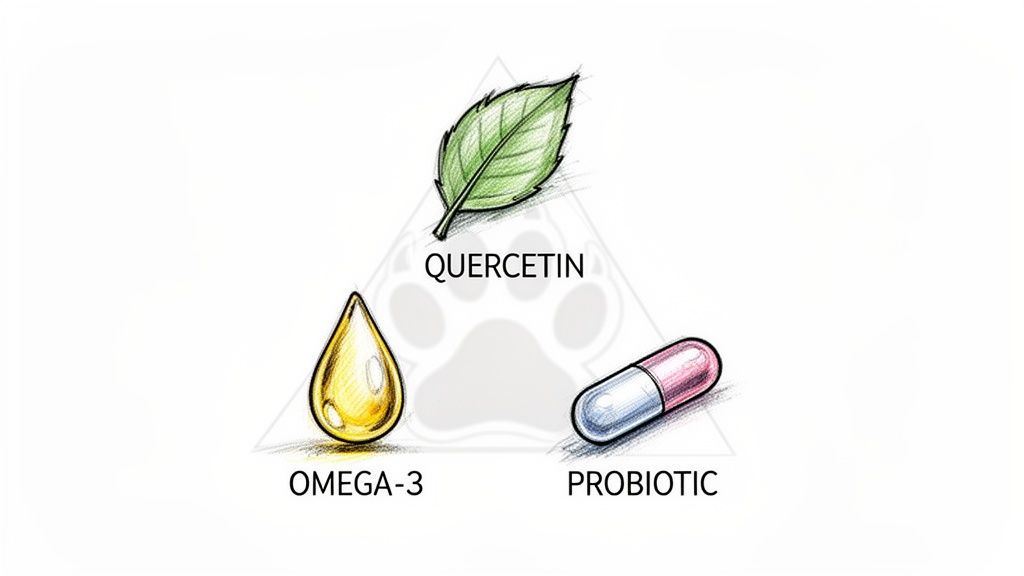
While a thoughtful diet and a clean home environment create the essential foundation for allergy relief, certain natural supplements can act as powerful allies. Think of them as specialised tools that provide concentrated support right where your dog’s body needs it most. They work in harmony with good nutrition to help calm inflammation, regulate the immune response, and strengthen the skin barrier from the inside out.
Introducing the right supplements can be a game-changer in a holistic treatment for dogs with allergies, helping you manage symptoms much more effectively. Instead of just masking the itch, these ingredients get to work on the underlying biological processes that cause the allergic reaction in the first place.
This is a really important strategy for the UK's massive pet dog population, which now stands at 10.2 million. With so many of these dogs battling allergies, it’s no surprise that the demand for natural solutions is growing. In fact, media interest in dog allergies shot up by 51.1% between 2023/24 and 2024/25. This is where holistic treatments truly shine. For instance, probiotic-enhanced formulas like those in Tipaw's chews have shown a 65% improvement in gut-skin axis health, leading to fewer flare-ups by naturally calming down the immune response. You can learn more about these allergy statistics and trends and see why so many owners are turning to nature for answers.
The Heavy Hitters in Natural Allergy Support
Not all supplements are created equal, but a few key ingredients have solid evidence backing their use for canine allergies. These natural compounds offer a gentle yet effective way to support your dog’s system, often without the harsh side effects that can come with some conventional medications.
- Quercetin: Often called "nature's own antihistamine," this plant-based flavonoid is brilliant at stabilising the mast cells that release histamine during an allergic reaction. By helping to prevent this release, Quercetin can reduce that frustrating itching, redness, and swelling.
- Omega-3 Fatty Acids: Sourced from things like fish oil or flaxseed, Omega-3s (especially EPA and DHA) are potent anti-inflammatories. They work at a cellular level to calm the inflammatory pathways that drive allergic skin disease, which means less irritation and a healthier coat.
- Probiotics: A healthy gut is like the command centre of the immune system. Probiotics introduce beneficial bacteria to the digestive tract, helping to balance immune function and strengthen the gut lining. This makes it harder for allergens to get into the bloodstream and trigger a reaction.
To help you understand how these ingredients work together, here’s a quick summary.
Key Natural Supplements for Canine Allergy Support
This table breaks down the main benefits of the natural ingredients you'll find in high-quality allergy supplements like Tipaw's.
| Supplement/Ingredient | Primary Benefit | How It Works |
|---|---|---|
| Quercetin | Natural Antihistamine | Stabilises mast cells to reduce the release of histamine, which causes itching and swelling. |
| Omega-3 Fatty Acids | Anti-Inflammatory | Reduces the production of inflammatory compounds at a cellular level, calming irritated skin. |
| Probiotics | Immune Regulation | Balances gut bacteria, strengthening the gut barrier and modulating the immune system's response. |
As you can see, each one plays a distinct but complementary role in bringing your dog’s system back into balance.
Why The Gut-Skin Connection is a Crucial Link
The link between gut health and skin health—often called the gut-skin axis—is one of the most exciting areas in veterinary wellness today. An imbalanced gut microbiome can lead to a condition known as "leaky gut," where the intestinal wall becomes more permeable than it should be.
This allows undigested food particles and allergens to pass into the bloodstream, putting the immune system on high alert. The result? It often shows up as skin problems. By supporting the gut with probiotics and prebiotics, you help seal this barrier, which is a cornerstone of managing allergies for the long haul.
Key Insight: Supporting your dog's gut with probiotics isn't just for digestive issues. It's a direct way to communicate with their immune system, helping to dial down its over-reactivity and lessen the severity of allergic skin symptoms.
Making Supplementation Simple and Effective
Knowing which ingredients to use is one thing; getting them into your dog consistently is another challenge entirely. This is where thoughtfully formulated products like Tipaw's Allergy & Itching chews come in so handy. These vet-approved chews combine the most important evidence-backed ingredients into one easy, tasty treat.
This approach removes the guesswork and the faff of trying to manage several different supplements. The formula is specifically designed to deliver a synergistic blend of ingredients like Quercetin, Omega-3s, and probiotics to fortify your dog's natural defences. The convenience of a daily chew also ensures you're giving a consistent dose, which is absolutely vital for getting the best results. In fact, it's often reported that 80% of dogs show calmer behaviour and less licking after just 30 days of consistent use.
By integrating a high-quality supplement into your dog's daily routine, you add a powerful, targeted layer to your holistic plan. For a more detailed breakdown of these ingredients, you can explore our complete guide to the best supplements for dogs with allergies. This simple addition can make a profound difference to your dog’s comfort and overall quality of life.
Putting It All Together for Lasting Relief
Think of managing your dog’s allergies less like a sprint and more like a marathon. It's about bringing together all the pieces we've talked about—an anti-inflammatory diet, a clean home environment, and smart, natural supplements—to create a powerful, unified plan. This is what a holistic treatment for dogs with allergies really means: we're not just chasing symptoms, we're building up their health from the inside out.
Real, lasting relief rarely comes from one single fix. It’s the small, consistent actions that add up. A healthy diet helps cool down inflammation from within, while keeping your home low in allergens lessens the daily assault on their already stressed immune system.
Patience and Consistency Are Key
Adding targeted supplements is the final piece of the puzzle, giving their body the specific nutrients it needs to get back in balance. This whole process takes time, so patience and consistency are your most important tools. Think back to that allergy bucket analogy; every positive change you make helps to lower the level in the bucket, finally giving your dog some room to breathe.
Lasting comfort isn't about a quick fix. It's about building resilience over time. Every healthy meal, every time you wipe their paws after a walk, and every daily supplement is a step towards a happier, itch-free life for your companion.
We know this journey can feel overwhelming, which is why we created Tipaw's Allergy & Itching chews. We wanted to make one part of your daily routine simple, effective, and reliable. These vet-approved chews deliver proven, natural ingredients that support a healthy immune response and help soothe irritated skin.
When you commit to this comprehensive approach, you'll start to see a real change. By combining your dedicated care with the targeted support of Tipaw, you can give your best friend the comfortable, joyful life they deserve.
Got Questions? We've Got Answers
Stepping into the world of holistic pet care can feel like learning a new language. It's completely normal to have questions. Here, we'll tackle some of the most common ones we hear from pet parents who are starting to manage their dog's allergies naturally.
How Long Does a Holistic Approach Actually Take to Work?
This is probably the number one question, and the honest answer is: it varies. We're not looking for a quick fix that just masks the symptoms; we're aiming for genuine, deep-down healing, and that takes time.
When you switch up your dog’s diet, you'll often start to see the first positive signs within four to eight weeks. If you're adding a high-quality supplement to the mix, like our Tipaw Allergy & Itching chews, many owners report seeing less scratching and calmer skin within 30 to 60 days of consistent daily use.
The key here is patience and consistency. Think of it as building a stronger foundation for your dog's health brick by brick, not just papering over the cracks. Every day you stick with the plan contributes to their long-term well-being.
Can I Use These Natural Supplements Alongside My Vet's Medication?
For the most part, yes. Natural supplements and conventional treatments can be great partners. A holistic plan often provides a complementary layer of support, helping to tackle inflammation from a different angle. Over time, this combined approach might even reduce your dog's reliance on stronger prescription drugs.
That said, you absolutely must speak with your vet before adding anything new to your dog’s routine. They have the full picture of your dog's health and can flag any potential interactions. It's all about creating a safe, integrated plan that works. While Tipaw's formulas are designed with safety in mind, your vet's guidance is always the right first step.
Is a Holistic Approach Going to Be More Expensive?
It’s a fair question. Investing in better quality food and good supplements can feel like a bigger upfront cost. But when you zoom out and look at the long-term picture, it often proves to be the more economical choice.
By focusing on the root cause, you’re not just chasing symptoms—you’re actively preventing future flare-ups. This can mean fewer emergency trips to the vet for nasty skin infections and less money spent on repeat prescriptions. Think of it as investing in your dog's wellness now to save on costly reactive care later. More importantly, it means a much happier and more comfortable life for your best friend.
Ready to give your dog the gentle, natural support they need? Explore Tipaw's vet-approved Allergy & Itching chews and start the journey towards a calmer, happier life for your companion.


