


Supplements for ageing dogs are simply extra nutrients you add to their diet, like glucosamine for stiff joints or omega-3s to keep their minds sharp. They're designed to bridge nutritional gaps and support their health as they get older, helping them stay mobile, alert, and happy.
Understanding Your Senior Dog's Changing Needs
Watching your best mate slow down a bit in their golden years is a natural part of their life. Think of an older dog like a well-loved classic car; it still runs beautifully, but needs a bit more specialised maintenance to keep everything in top shape. Internally, their body is changing. Cell repair isn't as quick as it used to be, they don't absorb nutrients from food as efficiently, and systems that were once robust start to show a little wear and tear.
Because of this natural ageing process, the food that kept them bouncing in their youth might not be quite enough anymore. They’re facing new challenges that need targeted support. For instance, the protective cartilage in their joints can thin out, leading to stiffness after a long walk. You might also notice their cognitive function isn't quite what it was, perhaps leading to moments of confusion. On top of that, their immune system can weaken, leaving them more vulnerable to bugs.
Why Proactive Support Matters
Thinking about supplements isn’t about waiting for a problem to pop up. It’s a proactive and caring way to maintain their comfort and boost their quality of life. By adding specific nutrients to their diet, you can help strengthen their ageing systems from the inside out. It's no wonder so many dog owners across the UK are now looking to nutritional support to help their companions age with grace.
This commitment from British pet owners is growing. The UK pet dietary supplement market was valued at USD 224.8 million in 2025 and is set to grow significantly. This shift comes from a greater understanding of what our ageing pets need, with dogs making up around 41.4% of this market in 2024. You can explore more insights about the UK pet supplement market on futuremarketinsights.com.
This diagram shows the key areas where a senior dog often needs the most help.
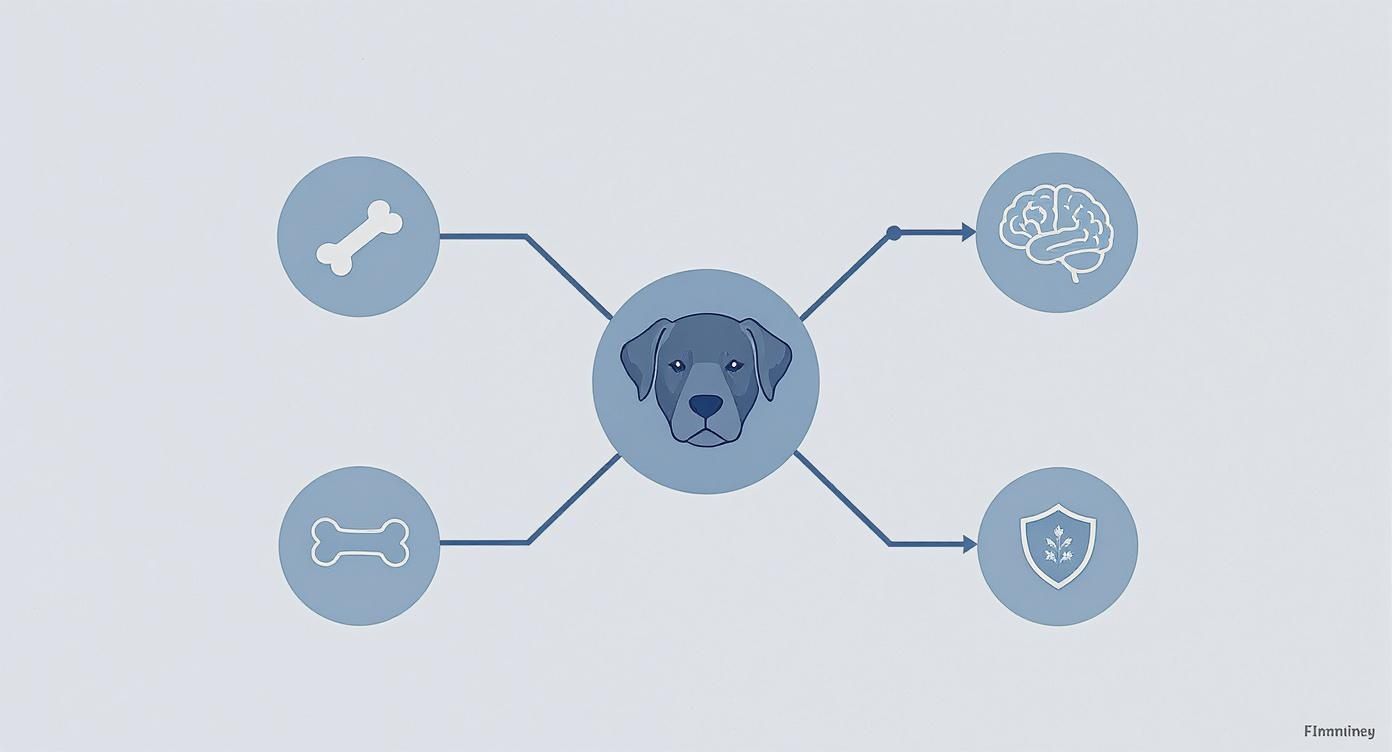
As you can see, a senior dog’s well-being is a puzzle where everything is connected. Joint health, brain function, and immune defence are the core pillars that often need a bit of reinforcement through nutrition.
Giving your ageing dog the right supplements isn't about trying to turn back the clock. It’s about making sure the time they have is as comfortable, active, and joyful as it can possibly be. This is really what modern, preventative care for our older companions is all about.
By getting to grips with these fundamental changes, you’ll be in a much better position to spot the subtle signs that your dog could use some extra support. This awareness is the first step towards choosing the right ingredients that can make a genuine difference in their day-to-day life, which we'll dive into next.
Supporting Joint Health and Cherished Mobility
It’s tough to watch your once-bouncy companion hesitate before jumping onto the sofa, or notice them moving a bit more stiffly in the morning. That little slowdown is often a sign of the natural wear and tear on their joints, something nearly all senior dogs experience. Think of it like the suspension on a car; after years of faithful service, the cartilage cushioning their joints starts to thin, leading to discomfort and less enthusiasm for their favourite activities.
Thankfully, this is one of the most well-researched areas in canine health. The right supplements for aging dogs can make a world of difference. By giving their bodies the specific building blocks needed to support their joints, you can help them stay comfortable and keep those cherished walks and games going strong for years to come.
The Building Blocks of Joint Health
So, how do these supplements actually work? Imagine their joint cartilage is a bit like a brick wall. Over time, some of the bricks (the cartilage cells) get damaged, and the mortar holding everything together starts to weaken. The best joint supplements act like a dedicated repair crew, bringing in fresh materials to shore up the entire structure.
The most famous members of this crew are Glucosamine and Chondroitin.
- Glucosamine: This is your 'brick supplier'. It’s a natural compound that provides the raw materials the body needs to build and repair cartilage. Supplementing with glucosamine ensures there’s a steady supply of these crucial components right where they're needed.
- Chondroitin Sulphate: This is the 'mortar' that binds the bricks. Chondroitin is brilliant at helping cartilage retain water, which is what gives it that spongy, shock-absorbing quality. It also helps block the specific enzymes that try to break down existing cartilage.
These two work hand-in-hand to maintain the strength and flexibility of your dog's joints. Another key player is MSM (Methylsulfonylmethane), a natural source of sulphur that helps soothe inflammation and supports the connective tissues that keep the joint stable.
By combining these core ingredients, a quality joint supplement doesn't just mask the symptoms. It addresses the structural health of the joint itself, providing a foundation for lasting comfort and mobility for your senior dog.
Reducing Inflammation Naturally
Beyond just rebuilding the structure, managing inflammation is absolutely critical for keeping your dog comfortable. Chronic, low-grade inflammation is a major source of the pain and stiffness that comes with conditions like arthritis. This is where a different set of powerful, natural ingredients step in, acting like the body's own internal calming agents.
Omega-3 fatty acids, especially the EPA and DHA found in fish oil, are famous for their potent anti-inflammatory properties. They work right down at the cellular level to dial back the body's inflammatory response, which can significantly ease joint soreness. Countless studies have shown that a consistent intake of Omega-3s leads to real, visible improvements in a dog's ability to walk, play, and tackle the stairs. For a deeper look at what makes them so effective, you can read our comprehensive guide on choosing the best joint supplement for dogs.
Another incredible ingredient from nature is Green-Lipped Mussel (GLM). Harvested from the pristine waters of New Zealand, this unique shellfish is a nutritional powerhouse. It not only contains glucosamine and chondroitin but is also packed with a special blend of Omega-3s, including a fatty acid called ETA, which has a particularly powerful anti-inflammatory effect.
Common Joint Supplements and Their Primary Functions
Knowing what each ingredient does best can help you and your vet choose the right game plan for your dog. Whether they're just starting to show a little stiffness or already have an arthritis diagnosis, the right combination can offer incredible support.
Here’s a quick breakdown of the most common ingredients and what they do.
| Ingredient | Primary Function | Best For |
|---|---|---|
| Glucosamine | Provides the building blocks to repair and maintain cartilage. | General, long-term joint maintenance and proactive support for at-risk breeds. |
| Chondroitin | Helps cartilage retain water for shock absorption and blocks destructive enzymes. | Dogs showing signs of cartilage breakdown or diagnosed with early-stage arthritis. |
| MSM | A source of sulphur that reduces inflammation and supports connective tissues. | Dogs with noticeable joint soreness, stiffness, and reduced flexibility. |
| Omega-3s | Powerful natural anti-inflammatory that reduces joint pain and swelling. | Dogs with diagnosed arthritis, significant stiffness, or widespread inflammation. |
| Green-Lipped Mussel | A multi-action ingredient providing structural support and potent anti-inflammatory effects. | An all-in-one option for dogs needing both cartilage support and inflammation control. |
By focusing on these proven, effective ingredients, you can give your senior dog the targeted nutritional backup they need to stay mobile and happy. This proactive approach helps make sure their golden years are defined by comfort and joyful activity, not by the limitations of stiff, sore joints.
Nourishing a Sharp Mind and Bright Spirit
Just as an older dog's joints can start to feel a bit creaky, their mind can also show signs of slowing down. It’s a quiet, gradual change, but one that many dog owners notice. Maybe your once-sharp companion seems a bit lost in a familiar room, gets stuck behind the sofa, or develops new and puzzling anxieties.
These moments could be signs of Canine Cognitive Dysfunction (CCD), a condition much like dementia in people. This mental decline is often tied to oxidative stress—you can think of it as a kind of 'rust' that accumulates on the brain's delicate wiring over a lifetime. This process damages cells and slows down the critical connections that keep your dog's mind alert and engaged.
The reality is, this is quite common. Studies suggest that by the time a dog reaches 11 or 12, a significant 28% show signs of cognitive decline. That figure climbs to a startling 48% by age 14.
The good news? Targeted nutritional support can help shield the brain and give it the fuel it needs to function well into those golden years. Giving your senior dog cognitive health supplements isn't about turning back the clock. It's about preserving their unique personality and that special spark in their eyes for as long as we possibly can.
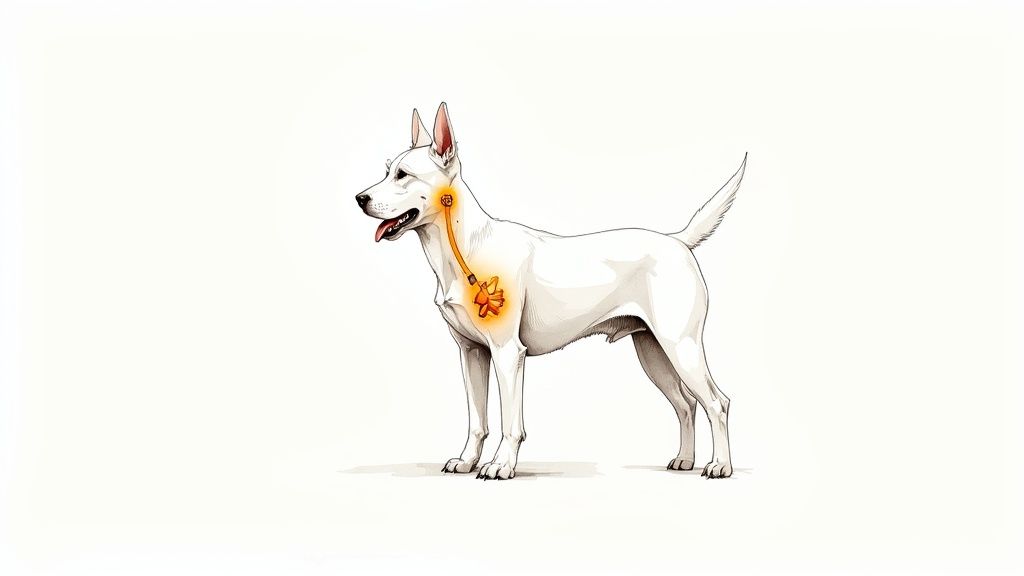
Guardians for the Brain's Wiring
To fight back against the effects of oxidative stress, we can turn to specific nutrients that act as powerful protectors for the brain. Think of them as guardians, keeping your dog's mental pathways clear and firing smoothly.
- Antioxidants (Vitamins C & E): These two are the frontline defence against free radicals—the rogue molecules responsible for that cellular 'rust'. They work to neutralise this damage, protecting brain cells and helping to maintain healthy cognitive function.
- Omega-3 Fatty Acids (DHA & EPA): DHA is a huge part of the brain's physical structure; it’s essential for nerve cell health and communication. Supplementing with Omega-3s helps cool down brain inflammation and supports the very architecture of your dog's mind. To dig deeper, you can learn more about the benefits of Omega-3 fatty acids for dogs in our article.
Working in tandem, these ingredients form a protective shield around the brain, helping to slow down age-related changes and support your dog’s memory, awareness, and ability to learn.
A Better Fuel Source for an Ageing Brain
As dogs get older, their brain becomes less efficient at using its main fuel source, glucose. It's a bit like a car engine that can no longer run properly on standard petrol; it starts to sputter and lose power. A similar thing happens inside a senior dog's head, leading to that 'brain fog' we often associate with CCD.
This is where Medium-Chain Triglycerides (MCTs), usually from coconut oil, provide a brilliant workaround. MCTs are a unique type of fat that the body can rapidly convert into something called ketones.
Ketones act as a high-quality, readily available energy source for brain cells. They can cross the blood-brain barrier and provide an alternative fuel when the brain is struggling to use glucose, helping to energise sluggish brain cells and improve clarity.
By offering this clean, alternative energy, MCT oil can help lift that fog. The goal is to help your dog feel more present, more engaged, and more like their old self again. It’s a direct way of feeding the very cells that need it most.
Recognising the Signs of Cognitive Decline
Being proactive means knowing what to look for. The signs of CCD can be subtle at first, so it’s crucial to pay close attention to any shifts in your dog's regular behaviour. Vets often use the acronym DISHAA to help owners spot the key symptoms.
- Disorientation: Getting lost in familiar places or staring blankly at walls.
- Interactions: Changes in how they interact with you or other pets—becoming more withdrawn or irritable, for example.
- Sleep-Wake Cycles: Pacing at night, sleeping more during the day, or seeming restless after dark.
- House-Soiling: Forgetting their house training and having accidents indoors.
- Activity Level: A drop in purposeful activity or an increase in repetitive actions like pacing.
- Anxiety: Suddenly becoming more anxious, fearful, or clingy.
If you spot one or more of these signs, it's a clear signal that it’s time for a chat with your vet. Combining their professional advice with targeted supplements for aging dogs can be a powerful strategy. It’s about giving your best friend the support they need to stay sharp, happy, and connected to the family they love.
Strengthening Immune and Digestive Defences
As our dogs move into their senior years, their internal defence systems can start to lose a bit of their edge. The immune system, their personal bodyguard against illness, and the digestive system, the body's nutrient processing plant, are incredibly intertwined. In fact, supporting one almost always means strengthening the other, which is a vital part of keeping your older dog happy and well.
Think of a senior dog’s gut as a delicate garden. For it to truly flourish and pull the best nutrients from their food, it needs a healthy balance of good bacteria. When this garden is thriving, it not only absorbs food more effectively but also hosts a huge portion—around 70%—of their immune system. This makes digestive health the true command centre for their body's natural defences.
Just like any garden, this internal ecosystem needs careful looking after, and that’s where certain supplements can make a world of difference.
Bolstering the Body's Bodyguard
An older dog's immune system can sometimes be a bit slow off the mark. Giving them targeted nutritional support helps make sure their defences are well-equipped to handle whatever life throws at them. Key nutrients act like reinforcements, keeping the whole system primed and ready to go.
Some of the most effective ingredients for immune support include:
- Antioxidants (Vitamins C & E): These are like cellular rust-proofers. They go to work neutralising damaging free radicals that can weaken immune cells over time.
- Omega-3 Fatty Acids: Well-known for their anti-inflammatory properties, these healthy fats help keep the immune response in check, stopping it from overreacting or becoming sluggish.
- Zinc: This essential mineral is crucial for the development and function of immune cells, ensuring the body can mount a swift and effective defence when it’s needed.
Adding these to your dog’s daily routine is like giving their internal bodyguard the best tools for the job, helping them stay protected.
Tending the Inner Garden with Probiotics and Prebiotics
To cultivate that healthy gut garden, you need two things: good seeds and quality fertiliser. In the world of digestive supplements, we call these probiotics and prebiotics. Probiotics are the beneficial bacteria—the 'good seeds'—that help maintain a healthy balance in the gut. They're essential for proper digestion, nutrient absorption, and keeping harmful bacteria from taking over.
Prebiotics, on the other hand, are the specialised plant fibres that act as 'fertiliser' for these good bacteria. They provide the food that helps all those beneficial microbes thrive and multiply. This powerful combination ensures the gut environment is perfectly balanced, which is fundamental for both digestive comfort and a strong immune system.
A well-tended gut doesn't just prevent common senior issues like gas and irregular stools; it directly supports the immune cells that call it home. This means a happy tummy leads directly to a healthier, more resilient dog.
Choosing the right combination is key to managing your dog's digestive wellness. If you want to dive deeper into this, our detailed guide explains more about the synergistic relationship between prebiotics and probiotics for dogs.
Choosing the Right Digestive Support
When you're picking out supplements for an ageing dog, especially for their gut health, it’s really important to look for products with specific, well-researched strains of bacteria. Not all probiotics are created equal, and senior dogs often benefit most from multi-strain formulas designed to tackle a range of issues.
Look for products that clearly list:
- The specific probiotic strains included (e.g., Lactobacillus acidophilus).
- The CFU count (Colony Forming Units), which tells you the number of viable bacteria.
- The inclusion of prebiotics like FOS (fructo-oligosaccharides) or inulin to feed the probiotics.
By strengthening your senior dog's immune and digestive systems, you're building a foundational layer of health that supports everything from their energy levels to their ability to fight off illness. It's a proactive way to make sure their golden years are as comfortable and happy as they can be.
Navigating the world of supplements for aging dogs can feel like a maze. You're faced with rows of tubs and bottles, all making big promises for your best mate. But cutting through the noise to find something safe and effective is simpler than you think. It really comes down to focusing on quality over flashy marketing.
The first, and most important, step? A chat with your vet. They have the full picture of your dog's health history, including any underlying conditions or current medications. A supplement that works wonders for one dog might not be right for another, particularly if there are kidney or liver issues to consider. Think of your vet as your trusted guide in all this.
Become a Label Detective
Once you've got your vet's input, it's time to put on your detective hat and start reading labels. A high-quality product won’t hide behind vague claims; it will be completely transparent. Think of the label as the product’s CV – you want to see a solid track record of quality and safety.
Here’s what to zero in on:
- Specific Active Ingredients: The label should clearly state what’s inside (like Glucosamine HCl or Chondroitin Sulphate) and exactly how much is in each dose. Be wary of terms like "joint support blend" if they don't break down the specific quantities.
- A Full Ingredient List: Look for a complete list of everything in the product, including the inactive ingredients. This is crucial for spotting potential allergens or unnecessary fillers.
- Clear Dosing Instructions: Good brands provide easy-to-follow, weight-based guidelines to make sure your dog gets the right amount safely.
- Lot Number and Expiry Date: These small details are a big deal. They show the company takes its manufacturing processes and quality control seriously.
A fantastic shortcut to spotting a trustworthy product is to look for a quality seal from a third-party organisation. For example, the NASC (National Animal Supplement Council) Quality Seal is a gold standard. It means the manufacturer has undergone a rigorous, independent audit to verify its quality control, manufacturing practices, and labelling accuracy.
Introducing Supplements and Watching for Changes
When you’ve picked a winner, the key is to introduce it slowly. Senior dogs, in particular, can have sensitive tummies. Instead of jumping straight to the full recommended dose, try starting with half the amount for the first week. It’s also a great idea to always give supplements with a meal to head off any potential digestive upset.
Now for the hard part: patience. Supplements aren't like prescription drugs; they work gradually by supporting the body's natural systems. You might not see a big difference overnight. For things like joint support, it can often take anywhere from four to eight weeks to notice a real improvement.
A simple diary can be a massive help here. Jot down notes about their mobility on walks, how keen they are to play, or just their overall energy levels. It's these small, day-to-day observations that will show you the positive impact over time.
Of course, if you see any lasting digestive issues or have any other concerns, stop giving the supplement and check back in with your vet. By taking these simple, thoughtful steps, you can confidently choose the right support to help your loyal friend feel their best.
Convenient Care Through E-Commerce and Subscriptions
Life gets hectic, but looking after your older dog doesn’t have to be complicated. Thanks to online shopping, getting the right pet supplies has become incredibly straightforward. You're no longer stuck with the limited selection at your local shop.
E-commerce opens up a huge range of specialised supplements for aging dogs, letting you pinpoint the exact formula that suits your companion's unique needs. You can dig into customer reviews, compare ingredient lists, and read what other senior dog owners have to say—all without leaving your home.
The Power of Subscriptions
For long-term issues like arthritis, consistency is non-negotiable. This is where subscription services really shine. Think of it as a set-it-and-forget-it wellness plan for your dog, ensuring a fresh supply lands on your doorstep just as the old one runs out.
You never have to scramble to the shop or worry about forgetting an order, which is vital for the supplement to work properly. This simple model ensures your dog never misses a dose. In fact, consistency is a huge reason why e-commerce now accounts for a 34.2% share of the UK pet supplements market.
Studies show that subscription models lead to much better adherence than just buying off the shelf, a critical factor for managing chronic conditions. You can discover more insights about the UK pet nutraceuticals market over at Mordor Intelligence.
A subscription service does more than deliver a product; it delivers peace of mind. It automates one of the most important parts of your dog's care routine, freeing you up to focus on what truly matters: enjoying your time together.
By taking advantage of these handy online tools, you can give your dog the uninterrupted support they need to feel their best in their golden years, making your job as their caregiver that much easier.
Common Questions on Supplements for Senior Dogs
Deciding to start your companion on a new health regimen always brings up a few questions. That's completely normal. Understanding the when, what, and why of using supplements for aging dogs is the key to making confident choices that will genuinely help them in their golden years. Let's tackle some of the most frequent queries from caring dog owners just like you.
Knowing the right time to begin is often the biggest hurdle. The truth is, there's no single magic age. It’s far more about your individual dog than the number of candles on their birthday cake.
When Should I Start Giving My Dog Senior Supplements?
The best approach is always proactive, not reactive. For larger breeds like Labradors or German Shepherds, the first signs of ageing can pop up as early as 6 or 7 years old. Smaller breeds, such as terriers or dachshunds, tend to hit their senior stride closer to 9 or 10.
The trick is to watch for the early, subtle signs. Is your dog a bit slower to get out of their bed in the morning? Do they hesitate before jumping on the sofa, a feat they used to manage with ease? These small changes are your cue to have a chat with your vet about starting supportive care. Getting a supplement routine in place before major issues arise is often far more effective for their long-term comfort.
Can I Give My Dog Human Supplements?
This is a big one, and the answer is a firm no. It’s strongly recommended that you avoid giving human supplements to your dog. While an ingredient like glucosamine might sound the same, the dosages in our products are formulated for human bodies and can be much too high—or simply ineffective—for a canine.
Even more importantly, human supplements can contain ingredients that are extremely dangerous for dogs. A common artificial sweetener called xylitol, for example, is found in many human vitamins and is highly toxic to dogs. Always stick to products that have been specifically formulated and safely dosed for our four-legged friends.
Supplements aren't like fast-acting medicines; they work with your dog's body over time. Consistency is far more important than expecting an overnight miracle. For joint support, you might notice small improvements in comfort and mobility within 4 to 8 weeks.
How Long Until I See Results?
Patience is a virtue when it comes to nutritional supplements. They support the body's natural processes, and that takes time. For things like cognitive or immune support, the benefits might be less dramatic—you might notice a stabilisation of their condition or just a brighter, more engaged demeanour. Consistent, daily use is absolutely essential to getting the best possible results.
High-quality supplements designed for dogs are generally very safe. The most common side effect, if you see any at all, is mild digestive upset like a bit of gas or loose stools, especially when introducing something new. To minimise this, just start with half the recommended dose for the first week and always give the supplement with a meal. If any tummy troubles persist, stop giving the supplement and check in with your vet for advice.
At Tipaw, we've dedicated ourselves to creating vet-approved, natural supplements that make supporting your senior dog simple and effective. Our functional chews are formulated to address the most common needs of aging dogs, from joint mobility to digestive health.
Discover the Tipaw range and find the perfect support for your loyal companion at store-tipaw.com


