


When your dog is scratching like mad, the first thing on your mind is getting them some relief—and fast. Your immediate job is to soothe their skin safely to stop them from making things worse while you figure out what’s actually going on. This usually starts with a quick but careful look over their skin for obvious culprits, followed by a vet-approved soothing treatment.
These initial steps are all about bringing down the discomfort and buying you time to get to the bottom of the problem.
Your Dog Is Scratching Non-Stop: Here’s Where to Start
That relentless jingle-jangle of a dog’s collar in the middle of the night isn't just a nuisance; it's a distress signal. Seeing your dog in that much discomfort can make you feel pretty helpless. Right now, the goal is simple: provide some immediate comfort and prevent them from scratching their skin raw, which can open the door to nasty secondary infections.
Before you can solve the mystery, you need to calm the inflammation. And that begins with a good, close look.
Perform a Gentle Skin Check
Gently part your dog’s fur and check their skin, especially in those prime trouble spots: the base of the tail, their belly, under their front legs (the "armpits"), and around the ears. These are favourite hangouts for pests and common areas for irritation.
Keep an eye out for any of these tell-tale signs:
- Fleas or flea "dirt": These look like tiny black specks, almost like pepper.
- Ticks: Small, dark lumps latched onto the skin.
- Red, inflamed patches: These might be painful "hotspots" (the technical term is acute moist dermatitis).
- Dry, flaky skin: Looks a lot like human dandruff.
- Rashes or pimple-like bumps: These often point to some sort of infection or allergic reaction.
What you find during this check gives you your first real clues. Spotting flea dirt, for example, gives you a clear and immediate action plan. But if you see nothing at all, the cause is likely something internal or in their environment. It’s a frustratingly common scenario, and figuring out what to do when your dog is constantly itching but has no fleas is often the next step in the investigation.
Key Takeaway: A thorough visual inspection is your first diagnostic tool. What you see (or don't see) helps narrow down the potential causes and guides your immediate actions for relief.
Provide Immediate Soothing Relief
Once you've had a look, it's time to provide some safe, soothing relief. Before you jump into treatments, it's a good idea to have a quick-reference guide for what's safe and effective in the moment.
Immediate Actions for an Itchy Dog
| Action | What to Do | Key Precaution |
|---|---|---|
| Cool Compress | Soak a clean washcloth in cool water, wring it out, and apply to red or inflamed areas for 5-10 minutes. | Don't leave the area wet; pat it dry gently afterwards to prevent moisture from getting trapped in the fur. |
| Oatmeal Bath | Use a vet-approved colloidal oatmeal shampoo. Follow the package directions, letting it sit for a few minutes before rinsing well. | Never use human shampoos or soaps. Their pH is wrong for a dog's skin and will only make things worse. |
| Protective Collar | If they are chewing or licking excessively, an e-collar (cone) can prevent them from causing self-trauma. | Ensure the collar is fitted correctly—not too tight, but snug enough that they can't slip it off. |
A cool compress is fantastic for taking the heat out of a hotspot. Just apply it to the inflamed area for a few minutes at a time.
Another brilliant home remedy is a colloidal oatmeal bath. Oatmeal has natural anti-inflammatory properties that work wonders on irritated skin. Just make sure you use a product made specifically for dogs and follow the instructions to the letter—you don't want to accidentally dry their skin out.
These temporary fixes can make a huge difference to your dog’s comfort, breaking that vicious itch-scratch cycle while you figure out a long-term solution.
Playing Detective to Get to the Bottom of the Itch
If you want to stop the scratching for good, you have to move beyond temporary fixes and find the root cause. Lasting relief only comes when you understand why your dog is so itchy in the first place. This means putting on your detective hat and looking for clues in your dog's behaviour, their skin, and their environment.
The first step is simply to become a keen observer. Does the itching ramp up after a romp through a grassy field? Is it worse right after a meal? These patterns are vital pieces of the puzzle that will help you, and your vet, pinpoint exactly what's going on.
The Usual Suspects: Parasites
Before you start exploring more complicated causes, always rule out the most common culprit: parasites. It’s a myth that indoor dogs can't get them; these unwelcome guests can find their way into any home.
- Fleas: This is the number one reason for itching in dogs. Get a good look at the base of their tail, on their belly, and behind the ears. You're searching for tiny, fast-moving dark insects or what we call "flea dirt"—small black specks that turn reddish-brown if you wet them. For some sensitive dogs, a single flea bite can trigger a massive allergic reaction known as flea allergy dermatitis, leading to frantic, relentless scratching.
- Mites: These microscopic pests cause nasty conditions like sarcoptic mange (scabies), which is intensely itchy and highly contagious to other pets and even people. Signs include furious scratching, hair loss (especially on the ears, elbows, and legs), and crusty skin sores.
Ruling out parasites is often the easiest first step. If your dog is on a quality, vet-approved preventative and you've done a thorough check, it's time to dig a little deeper.
This decision tree can be a handy visual guide to help you work through these initial steps.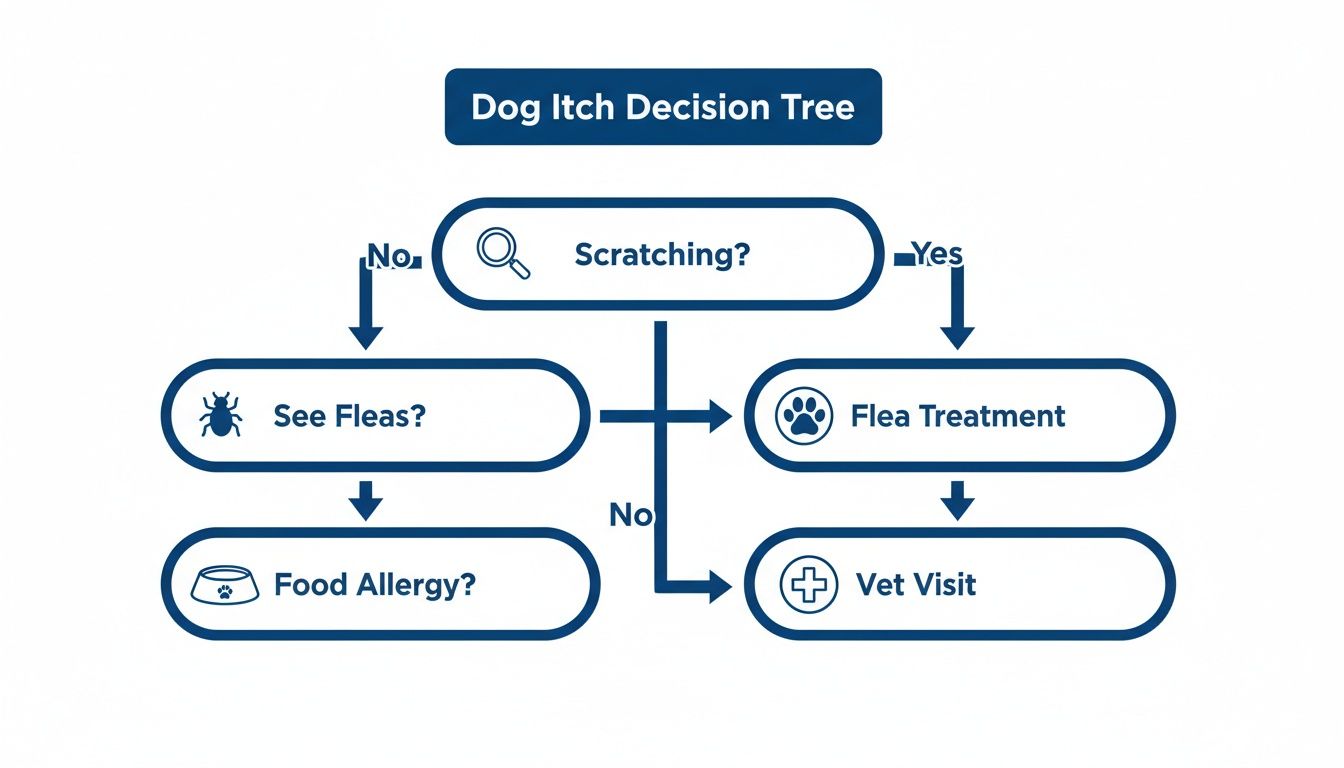
As you can see, simply observing basic signs like the presence of fleas or the look of the skin can quickly narrow down the possibilities.
Decoding the World of Allergies
If parasites aren't the problem, allergies are the next most likely suspect. It's a complex area, but canine allergies generally fall into three buckets. It's not uncommon for a dog to be dealing with more than one.
Environmental Allergies (Atopy)
This is basically hay fever for dogs. They have an allergic reaction to things in their environment like pollens, moulds, dust mites, or certain grasses. But instead of sneezing, their primary symptom is itchy skin. Canine atopic dermatitis (cAD) is a huge issue for UK dogs, affecting an estimated 10% of the canine population.
Symptoms often pop up early, with about 81% of cases showing signs by the time a dog is three. The itch can be seasonal—with 63.2% of cases flaring up in summer—or it can be a year-round battle. To make matters worse, a staggering 68% of dogs with atopy also get secondary skin infections, which just fuels the miserable itch-scratch cycle. The University of Nottingham has done some excellent research into atopic dermatitis in dogs.
Food Allergies and Sensitivities
A true food allergy is an immune response to a specific protein in your dog's food—chicken, beef, and dairy are common triggers. This causes relentless, year-round itching that is often joined by chronic ear infections or an upset tummy. Unlike environmental allergies, there's no seasonal pattern here; the itching is constant as long as the problem ingredient is in their bowl.
Pro Tip: Telling food and environmental allergies apart can be tough. A big clue is where they're itching. Food allergies often target the paws, ears, and rear end. Environmental allergies tend to show up on the face, belly, and in the "armpits." For a deeper dive, check out our guide on recognising dog food allergy symptoms.
Contact Dermatitis
This is the least common of the lot. It happens when your dog's skin reacts to something it has physically touched. Think of things like carpet cleaning powders, chemicals used on the lawn, or even the plastic in their food bowl. The rash and itching will be confined to the points of contact, like their paws, belly, or chin.
Infections and Other Itch Triggers
Sometimes, the itch isn't the primary problem but a symptom of something else going on.
Secondary Skin Infections
All that scratching and chewing damages the skin’s protective barrier. This gives the bacteria and yeast that normally live on the skin a chance to multiply out of control, causing an infection. These infections are incredibly itchy themselves, creating a vicious cycle: the dog scratches, which worsens the infection, which makes them even itchier. Telltale signs are a musty, foul odour, greasy-feeling skin, or small, pimple-like sores.
Dry Skin
Just like us, dogs can get dry, flaky skin. This is especially common in the winter months when the central heating is blasting. A diet lacking in essential fatty acids can also lead to a dull coat and uncomfortable, flaky skin. While it might not be as severe as a raging allergy, it's a real source of discomfort that shouldn't be ignored.
When It’s Time to Call the Vet to Decode Your Dog’s Itching
While soothing baths and home remedies can provide some much-needed initial relief, they often just mask the symptoms. They don't get to the root of the problem. If your dog's scratching continues for more than a few days, seems frantic, or you spot other worrying signs, it’s time to bring in a professional.
Trying to diagnose a complex skin issue on your own can easily backfire, leading to more misery for your dog and potentially making things worse. A trip to the vet is the single most effective step you can take. Think of your vet as a skin detective; they have the experience and the right tools to uncover the real culprit.
Recognising the Red Flags for a Vet Visit
It’s not always easy to know when to make that call. As a rule of thumb, if the itching isn’t getting better or you notice any of the more serious signs below, don't wait for the situation to escalate. Book that appointment.
You should get in touch with your vet straight away if you see:
- Open sores or broken skin: Once scratching breaks the skin, it opens the door for nasty secondary infections.
- A strange or musty odour: That unpleasant smell is often a tell-tale sign of a yeast or bacterial infection taking hold.
- Significant hair loss: We’re not talking about normal shedding. Large bald patches or noticeably thinning fur point to something more serious.
- Changes in their behaviour: Is your dog lethargic, off their food, or more grumpy than usual? This could mean they're in real discomfort.
- The itch is getting worse: If the redness, swelling, or scratching is spreading or intensifying despite your best efforts, it’s a clear sign you need professional help.
What to Expect at the Vet’s Clinic
First things first, your vet will want a complete history. Be ready to chat about your dog’s diet, their daily environment, what flea and tick prevention you use, and exactly when the scratching started. The more details you can give, the faster your vet can start narrowing down the possibilities.
Pruritus – the medical term for itching – is one of the most common reasons dogs end up at the vet. In the UK, a staggering 88% of dogs brought in for skin problems are reported to be itchy. In fact, skin disorders account for around 13% of all primary-care consultations for dogs in the UK. This just goes to show how widespread and frustrating this problem is for dogs and their owners. You can learn more about the vet's process by reading this diagnostic approach to skin disease in dogs.
Expert Insight: Vets often use the location of the itch as a huge clue. In the UK, the most frequently affected areas are the fore paws (58% of cases), the underbelly and groin (51%), and the armpits (35%). Be sure to point out exactly where your dog is scratching, as it provides vital information for the diagnosis.
Unpacking Common Diagnostic Tests
After a thorough physical exam, your vet might suggest a few tests to figure out what's really going on. Knowing what these involve can help you feel more prepared and be a better partner in your dog's care.
Skin Scrapes
This sounds worse than it is! Your vet will use a scalpel blade to gently scrape the surface of the skin. It’s usually painless and lets them look for microscopic mites like Demodex or Sarcoptes, which are impossible to spot with the naked eye.
Cytology
For this test, your vet uses a bit of sticky tape or a cotton swab to lift cells and debris from the skin. It’s a quick and brilliant way to see if there’s an overgrowth of bacteria or yeast, both of which can cause intense itching and require specific medication.
Allergy Testing
If your vet suspects allergies are the culprit, there are a couple of main paths:
- Blood Testing (Serology): A simple blood sample is sent off to a lab to measure antibody levels against common environmental allergens like pollens, moulds, and dust mites.
- Intradermal Skin Testing: This is often called the 'gold standard' and is usually done by a veterinary dermatologist. Tiny amounts of different allergens are injected into the skin to see which ones trigger a reaction, much like a patch test for humans.
Food Elimination Trial
This is the only truly reliable method for diagnosing a food allergy or intolerance. It’s a serious commitment, involving feeding your dog a strict prescription diet (with a protein they've never had before) for 8-12 weeks. If the itching stops, you slowly reintroduce old food ingredients one by one to pinpoint the trigger. It takes dedication, but the results are definitive.
Vet-Prescribed Treatments: Your Itch-Stopping Toolkit
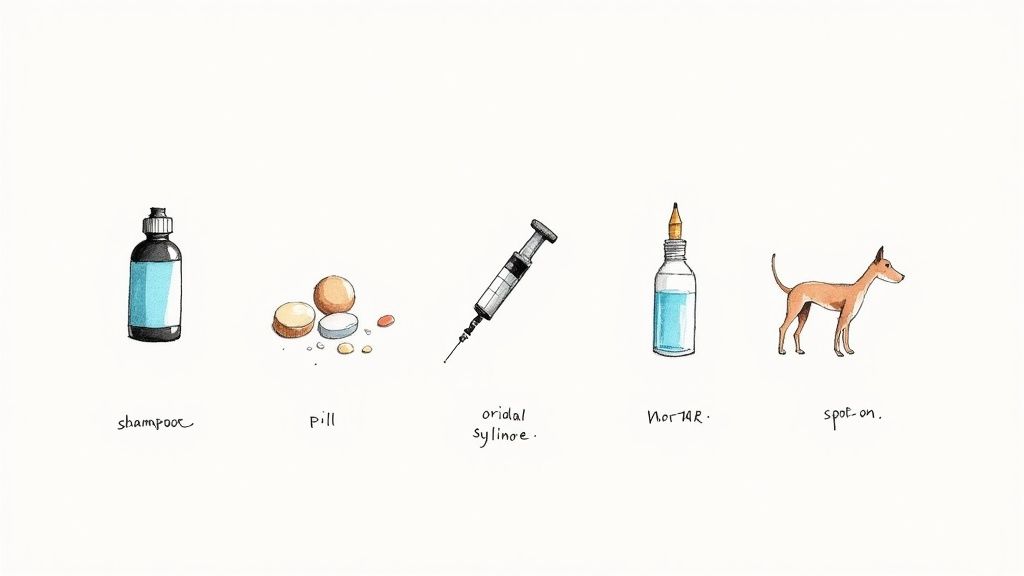
Once your vet has pinpointed the cause of the itching, you can finally move from guesswork to a targeted action plan. Thankfully, veterinary medicine has come a long way, offering a whole arsenal of treatments that provide fast, effective, and lasting relief for our itchy companions.
The best strategy always hinges on the diagnosis. A bacterial infection requires a completely different approach than environmental allergies, so your vet will map out a plan designed specifically for your dog's situation.
Topical and Medicated Solutions
For many skin problems, the best place to start is right at the source: the skin itself. Topical treatments are brilliant for tackling localised issues like hotspots, ringworm, or mild infections because they deliver the medicine exactly where it’s needed most.
Your vet might recommend:
- Medicated Shampoos: These are much more than just a fancy bath product. They’re packed with active ingredients like chlorhexidine (an antiseptic) or miconazole (an antifungal) to directly combat the microbes causing the problem.
- Creams and Ointments: Steroid-based creams can calm inflammation and stop the itch in a specific area almost instantly, offering your dog some much-needed peace.
- Sprays and Mousses: These are fantastic, especially for dogs with thick or long fur where creams can be tricky to apply. They make it easy to soothe larger patches of irritated skin.
For these to work properly, you have to follow the vet's instructions to the letter. How often you use them and the contact time—for instance, how long a shampoo needs to be left on the skin before rinsing—is the key to success.
Oral Medications for All-Over Itching
When the itch is relentless or covers most of your dog’s body, topical treatments alone just won't cut it. This is when your vet will likely reach for oral medications, which work from the inside out to calm the immune system and finally break that miserable itch-scratch cycle.
Antihistamines
You might think of antihistamines first, as they're a go-to for human allergies. In dogs, however, their effect can be hit-or-miss. Some dogs get real relief, but for many others, they barely make a dent. Your vet might suggest a trial, but they’re rarely the main solution for serious allergic itching.
Corticosteroids
Powerful anti-inflammatory drugs like prednisolone work incredibly fast to stop itching. They are a godsend for getting severe flare-ups under control. However, due to potential side effects like increased thirst and appetite, they are typically used for short-term relief only.
Modern Immunomodulatory Drugs
This is where the real breakthroughs have happened. Newer medications can provide targeted relief without the widespread side effects of traditional steroids, completely changing the game for dogs with chronic conditions like atopic dermatitis.
- Apoquel (oclacitinib): A daily tablet that works by directly blocking the itch signals in the nervous system. It’s known for being incredibly fast-acting, often bringing relief within a few hours.
- Cytopoint (lokivetmab): This isn’t a drug in the traditional sense, but a biological therapy given as an injection. It uses engineered antibodies to find and neutralise a key protein that tells the brain to feel itchy. A single injection can provide relief for four to eight weeks, making it a very convenient and popular choice.
Expert Insight: Apoquel and Cytopoint are a massive step forward. By interrupting the itch signal at a molecular level, they offer targeted relief that was unimaginable a decade ago, avoiding the broad-spectrum effects of long-term steroid use.
When your vet has a clear diagnosis, they can prescribe the most suitable medication to tackle the itch head-on. The table below compares some of the most common options.
Common Veterinary Treatments for Itching
| Treatment Type | How It Works | Best For |
|---|---|---|
| Medicated Topicals | Delivers active ingredients (antifungal, antibacterial) directly to the skin. | Localised infections, hotspots, and mild inflammation. |
| Corticosteroids | Powerful anti-inflammatory drugs that quickly suppress the immune response. | Severe, acute flare-ups for fast, short-term relief. |
| Apoquel (oclacitinib) | A daily tablet that blocks the nerve pathways responsible for the itch sensation. | Rapid, reliable relief from allergic dermatitis. |
| Cytopoint (lokivetmab) | A long-lasting injection that neutralises a key itch-promoting protein. | Consistent, long-term management of atopic dermatitis. |
| Immunotherapy | Gradually desensitises the immune system to specific allergens via injections. | A long-term solution for managing environmental allergies. |
Each of these treatments plays a different role, and your vet will help you decide on the right combination for your dog’s immediate comfort and long-term health.
Long-Term Allergy Management
For dogs with confirmed environmental allergies, just treating the symptoms is like constantly mopping up a leaky tap. The real goal is to fix the leak itself by making the immune system less reactive. This is where allergen-specific immunotherapy, often called "allergy shots," comes in.
It's a long-term strategy that works by slowly desensitising your dog's body to the things it's allergic to. After an allergy test, a bespoke series of injections is formulated just for your dog.
This isn't a quick fix; it's a commitment that can take months to show real improvement. But it’s the only treatment available that actually changes the underlying disease instead of just masking the symptoms. For many dogs, it's the path to lasting comfort. In fact, a retrospective study found that 59.9% of atopic dogs showed a clinical improvement of over 50%. These findings help UK vets and owners weigh up disease-modifying therapies against symptomatic ones. You can learn more about veterinary approaches to skin disease on NW Labs.
Proactive Prevention and Holistic Skin Health
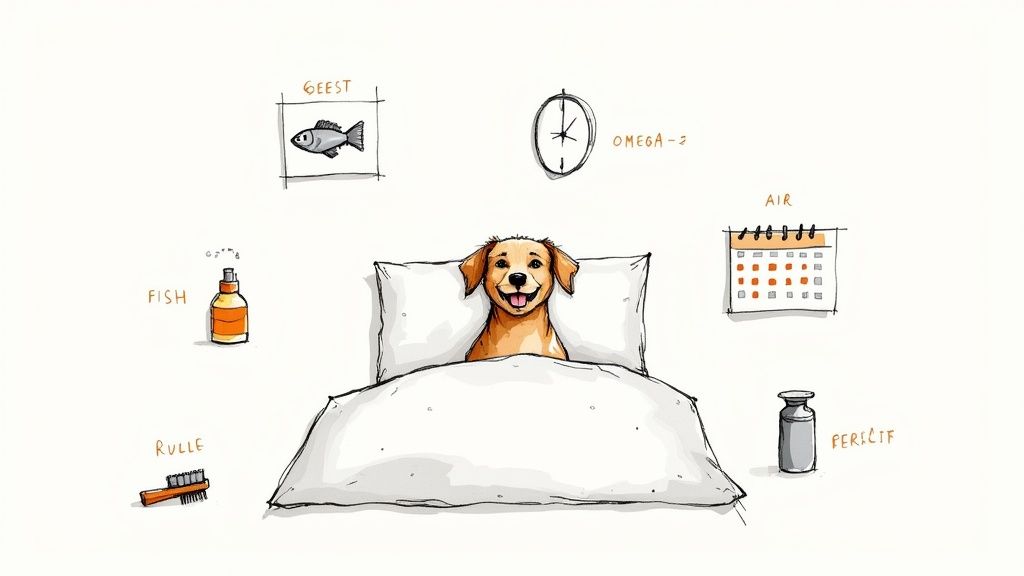
Getting the current itch under control is your first priority, of course. But the real win is making sure it doesn't come back. This is where a long-term, proactive approach to your dog's skin health really shines. It means looking past the immediate symptoms to build a solid foundation of wellbeing through their diet, grooming, and even the environment in your home.
Instead of constantly reacting to flare-ups, you'll be actively working to stop them from happening in the first place. It's all about creating a lifestyle that supports a healthy, resilient skin barrier from the inside out.
The Power of Nutrition for Healthy Skin
What goes into your dog's bowl has a direct, and often dramatic, impact on their skin and coat. A top-quality, balanced diet is the absolute cornerstone of preventing itchiness, as it supplies all the essential building blocks for a strong skin barrier.
When that barrier is robust, it's far better at locking moisture in and keeping potential allergens out. A diet that's missing key nutrients can quickly lead to dry, flaky skin that’s much more vulnerable to irritation and infection.
Key Nutritional Elements for Skin Support
- High-Quality Protein: A dog's skin and hair are made almost entirely of protein. If your dog has sensitivities, trying a novel protein source like fish or venison instead of common culprits like chicken or beef can make a huge difference.
- Omega-3 Fatty Acids: These are true skin superheroes. Found in fish oil, their powerful anti-inflammatory properties can help calm allergic reactions and bring down the overall level of itchiness.
- Zinc: This essential mineral is vital for producing new skin cells and maintaining healthy immune function. Even a mild deficiency can lead directly to skin problems.
- Vitamins E and B: Vitamin E is a fantastic antioxidant that protects skin cells from damage, while B vitamins, especially biotin, are crucial for keeping the skin and coat in top condition.
When you're choosing a dog food, always check the ingredients list. Look for natural ingredients and steer clear of artificial additives and preservatives, which can sometimes act as irritants. Adding targeted dog skin supplements is also a brilliant way to give your dog a concentrated dose of these skin-supporting nutrients.
Creating a Skin-Friendly Home Environment
If your dog suffers from environmental allergies, your home can either be their safe haven or a minefield of triggers. Taking control of their living space is a surprisingly powerful tool in your prevention kit.
A few simple, consistent habits can slash the amount of allergens your dog is exposed to every day. This takes a huge burden off their immune system, making flare-ups less frequent and far less severe when they do happen.
Here are a few practical steps you can take:
- Wash Bedding Frequently: Your dog's bed is a magnet for dust mites, pollen, and dander. Pop it in the wash at least once a week on a hot cycle to kill off these common triggers.
- Use an Air Purifier: A good-quality air purifier with a HEPA filter can work wonders by pulling airborne allergens like pollen and mould spores out of the air in the rooms where your dog spends most of their time.
- Stick to a Cleaning Routine: Vacuuming regularly (ideally with a HEPA-filter hoover) and dusting with a damp cloth traps allergens instead of just pushing them back into the air.
- Wipe Paws After Walks: Keep a damp cloth by the door and give your dog's paws and belly a quick wipe when you get back from a walk. This simple habit removes pollens and grasses before they have a chance to cause trouble.
The Importance of a Consistent Grooming Routine
Grooming is about so much more than keeping your dog looking smart; it’s a crucial part of managing their skin health. A regular routine allows you to keep a close eye on their skin and spot any early signs of a problem.
Regular brushing removes dead hair, dirt, and allergens from the coat while helping to distribute the skin's natural, protective oils. When it comes to bath time, it's vital to use a gentle, soap-free shampoo made specifically for dogs. Human shampoos—and even harsh dog ones—can strip away those essential oils, leaving the skin dry and vulnerable.
A dog suffering from chronic itchiness experiences a measurable decline in welfare. A UK study revealed that dogs with atopic dermatitis showed more problem behaviours like hyperactivity and reduced trainability. With atopic dermatitis affecting roughly 10% of the UK's 10 million dogs, stopping the itch has significant benefits for the wellbeing of a huge number of pets and their families. To understand the full scope of this issue, you can read more about the welfare implications of canine atopic dermatitis.
By combining a nutrient-rich diet, a clean home environment, and a consistent grooming schedule, you build multiple layers of defence. This holistic approach doesn't just help stop itching in dogs; it promotes a state of overall health that makes them far more resilient to skin problems in the long run.
Your Top Questions About Dog Itching, Answered
When your dog can't stop scratching, you're bound to have questions. It’s a stressful situation for both of you, and getting clear answers is the first step towards relief. Let's tackle some of the most common queries I hear from dog owners across the UK.
Can I Give My Dog Human Antihistamines?
It's a question that comes up all the time, but the answer is a firm "no" unless your vet has given you specific instructions. It’s incredibly risky to medicate your dog on your own.
Human dosages are completely wrong for dogs, and many over-the-counter products contain ingredients like xylitol, which is highly poisonous to them. Frankly, studies show that human antihistamines often aren't very effective for the kind of deep, persistent itch that dogs with allergies suffer from anyway. You’re far better off speaking to your vet about treatments that are actually proven to be safe and effective for canines.
A Quick Word of Warning: The same goes for human skin creams. Things like hydrocortisone creams often contain preservatives or fragrances that can be harmful if your dog licks them off. Always stick to products specifically made for pets.
How Long Does a Food Elimination Diet Take to Work?
This is where you need to be patient. An elimination diet is a diagnostic tool, and it only works if you’re meticulous and give it enough time. Think of it as a marathon, not a sprint.
You'll need to feed your dog the special diet for at least 8 to 12 weeks before you can expect to see any real improvement. And when I say only the special diet, I mean it. No treats, no dental sticks, no leftovers from your plate—nothing. If the itching subsides, your vet will then guide you through reintroducing old foods one by one to find the culprit.
Is My Dog's Breed More Likely to Have Itchy Skin?
Absolutely. Genetics can play a huge part in skin problems, especially when it comes to allergies to things in the environment (atopic dermatitis). Some breeds just draw the short straw.
Here in the UK, we see it a lot in certain breeds, including:
- West Highland White Terriers
- French Bulldogs
- Labrador and Golden Retrievers
- Boxers
- German Shepherds
Owning one of these breeds doesn't mean they're destined to have skin issues, but it does mean you should be more vigilant. Keep a close eye on their skin and coat, and get in touch with your vet as soon as you spot any persistent scratching. Catching it early makes management so much easier and dramatically improves your dog's quality of life.
At Tipaw, we know that what your dog eats has a direct impact on their skin. That's why our vet-approved supplements are made with natural, high-quality ingredients designed to strengthen the skin barrier and soothe irritation from the inside out. See how our functional chews can become a simple, tasty part of your dog’s daily routine for a happier, less itchy life. Explore the full Tipaw range here.


