


Finding the right remedy for your dog's allergies all starts with one thing: figuring out the trigger. Is it something in the air, something in their food bowl, or a reaction to fleas? Nailing down the source is the only way to build a plan that brings your dog lasting relief.
Decoding the Itch: Pinpointing Your Dog’s Allergy
It’s tough watching your dog stuck in a relentless cycle of scratching, licking, and general misery. To find a real solution, you need to put on your detective hat. Different allergies show up in different ways, and learning to read the signs is the first, most important step towards helping them.
Think about when the itching starts. Environmental allergies, or atopic dermatitis, often pop up seasonally. You might notice your dog goes wild with itching in the spring when pollen is everywhere, or maybe it’s the damp autumn months that bring on the misery. Classic clues include obsessive paw licking, rubbing their face on the carpet, and ear infections that just keep coming back.
Food allergies, on the other hand, tend to be a year-round problem. Itchy skin is definitely a symptom, but it's often joined by tummy troubles like diarrhoea or vomiting. Those persistent ear infections that never seem to clear up with standard treatment? That’s another massive red flag for a food sensitivity. For a closer look at what to watch for, you can learn more about the common signs of dog allergies in our detailed guide.
Reading the Telltale Signs
Where your dog is itching can tell you a lot. A classic sign of flea allergy dermatitis (FAD) is frantic itching and hair loss right at the base of the tail and along their lower back. This isn't just a reaction to a few bites; it's an allergic response to flea saliva, and for a sensitive dog, a single flea can cause a world of hurt.
Have you ever noticed your dog’s paws looking a bit rusty or reddish-brown? That isn't mud. It’s actually staining from compounds in their saliva, a direct result of constant licking. This is a huge clue that often points towards environmental irritants like grass or pollen they're picking up on their daily walks.
To help you connect the dots, this table breaks down the common symptoms and their likely culprits. Use it to get a clearer picture of what might be going on before you head to the vet.
Quick Guide to Dog Allergy Symptoms
| Symptom | Most Likely Cause (Environmental, Food, Flea) | What to Look For |
|---|---|---|
| Itchy Paws & Face Rubbing | Environmental | Red, stained fur on paws from licking; itching worsens seasonally. |
| Recurrent Ear Infections | Environmental or Food | Red, smelly ears; may be accompanied by skin or gut issues. |
| Itching & Hair Loss at Tail Base | Flea | Intense scratching on the lower back; you might see "flea dirt" (black specks). |
| Skin Issues + Digestive Upset | Food | Year-round itching plus vomiting, diarrhoea, or frequent soft stools. |
| Hives & Swelling | Environmental or Acute Reaction | Sudden appearance of raised bumps on the skin; often from an insect bite or new substance. |
By paying close attention to these details, you can arm yourself with valuable information, making the conversation with your vet that much more productive.
Key Takeaway: The location and timing of your dog's itching provide critical clues. Seasonal itching often points to environmental triggers, while year-round issues with digestive upset suggest a food allergy.
This flowchart can also help you visualise the process of narrowing down the cause based on where your dog is experiencing the most discomfort.
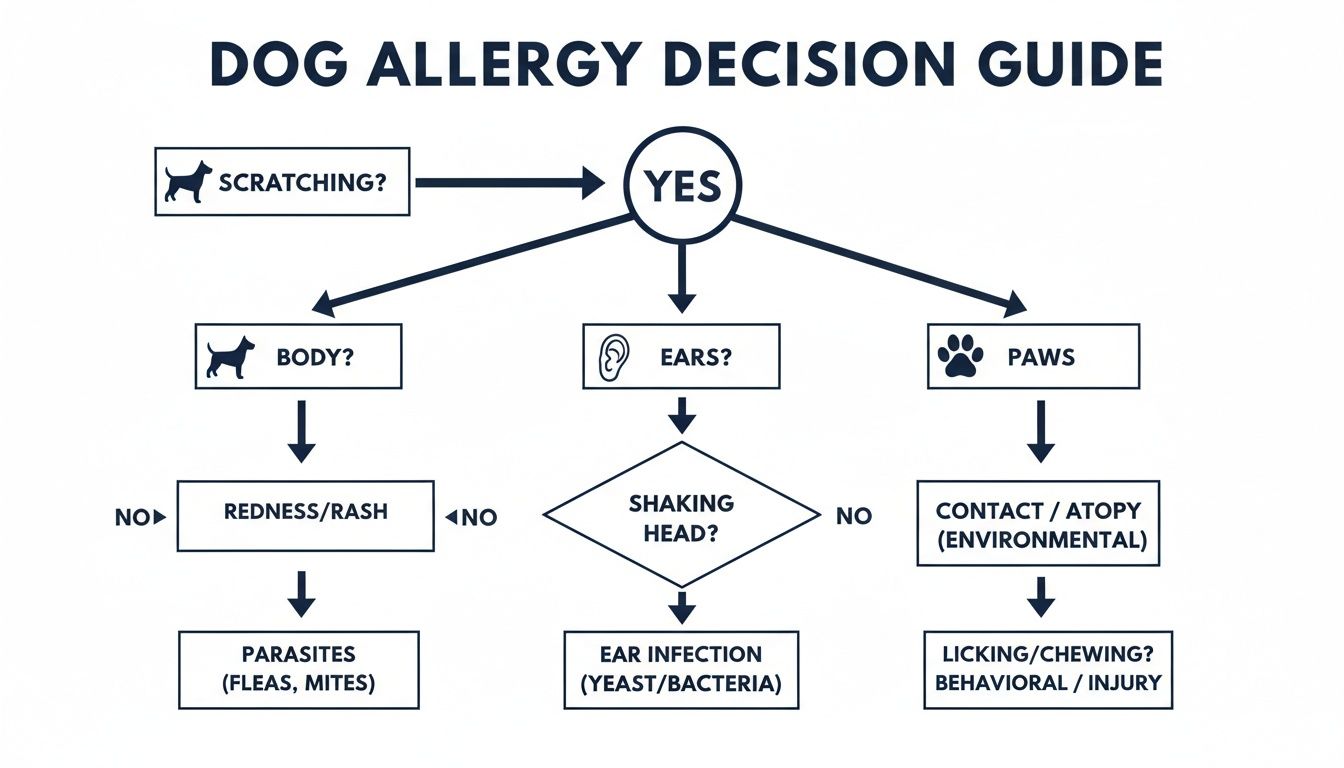
As the chart shows, figuring out whether the main problem is with their body, ears, or paws helps you focus on the most likely category of allergen. When you observe these patterns carefully, you're one step closer to finding the perfect solution for your itchy companion.
Creating an Allergy-Safe Haven at Home
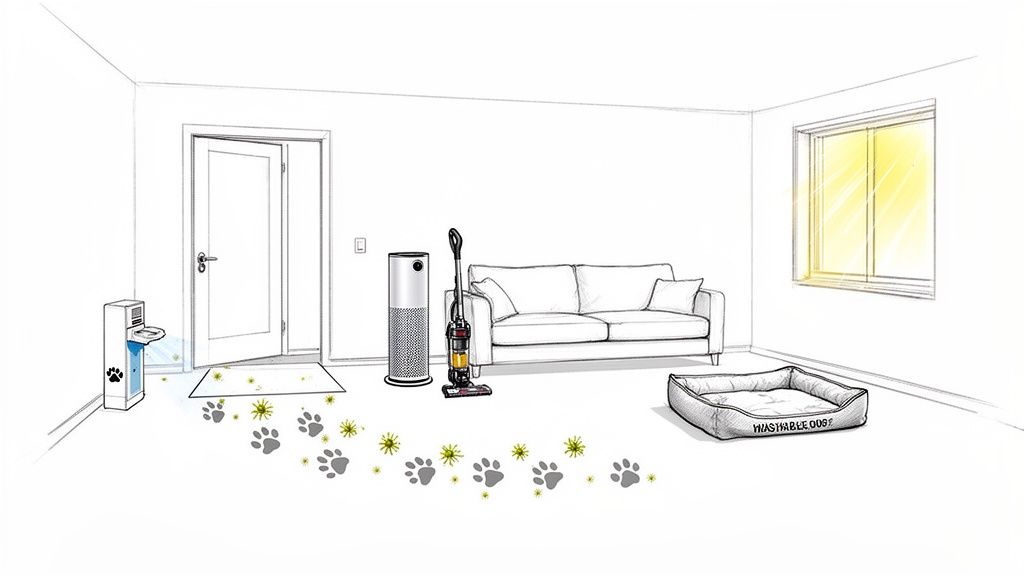
While you can’t exactly filter the air at the local park, you have full control over what’s happening inside your own four walls. Turning your home into a low-allergen sanctuary is one of the most effective, non-medical ways to help a dog with allergies. This isn't about scrubbing from floor to ceiling every day; it's about smart, simple changes that reduce the irritants your dog is constantly exposed to.
Think of your dog's immune system like a bucket. Every allergen—pollen, dust, a certain food—adds a little more water. By managing their home environment, you're constantly tipping some of that water out, which prevents the bucket from overflowing and triggering a full-blown reaction. It’s a foundational step that gives all other treatments a much better chance of success.
Purify the Air They Breathe
You’d be surprised what’s floating around indoors. Dust mites, mould spores, and pollen that hitched a ride in on your clothes can create a potent cocktail of allergens. This is where an air purifier with a High-Efficiency Particulate Air (HEPA) filter becomes your best friend.
HEPA filters are engineered to trap microscopic particles down to 0.3 microns—that’s small enough to catch the exact culprits making your dog miserable. Pop one in the room where your dog sleeps and another in the main living space. It’s a set-and-forget solution that works 24/7 to scrub the air clean, giving their skin and respiratory system a much-needed break.
Expert Tip: Look at the Clean Air Delivery Rate (CADR) when you’re shopping for a purifier. This number tells you how efficiently the unit cleans a room of a specific size. A higher CADR for your room's dimensions means faster, more effective filtering.
Establish a Decontamination Zone
Let's be honest: your dog is the primary vehicle for bringing outdoor allergens inside. Pollen, dust, and grass stick to their fur and paws like velcro. Setting up a simple "decontamination zone" right by the door is a game-changer for stopping those triggers in their tracks.
Getting into this habit after every walk, especially during the high-pollen seasons of spring and summer, can make a world of difference.
- Paw Wipes: Keep a stash of hypoallergenic, pet-safe wipes handy. A quick wipe of all four paws removes a surprising amount of gunk.
- Microfibre Towel: A quick rub-down with a damp microfibre cloth is brilliant for grabbing fine particles from their coat, legs, and belly.
- Quick Foot Soaks: If your dog's paws are particularly inflamed, a shallow tub of lukewarm water by the door can offer immediate, soothing relief while washing away irritants.
This five-minute ritual drastically reduces the number of allergens being tracked all over your floors and furniture. It's a practical, simple step that helps ensure your home is a true safe haven where your dog can rest and recover, not a reservoir of their triggers.
How Nutrition Can Transform Your Dog's Skin Health

What goes into your dog's bowl is one of the most powerful tools you have for tackling allergies. If you've tried everything with their environment and they’re still scratching, it’s a strong signal to take a closer look at their diet. The right food can be a game-changer, helping to calm that relentless inflammation from the inside out.
It's not just you; food-related allergies in dogs really are becoming more common. This isn't just an anecdotal trend—the numbers back it up. The UK's dog allergy treatment market was valued at a huge USD 1.47 billion in 2024 and is expected to hit USD 3.0 billion by 2035. You can see the full breakdown in the market research on dog allergy treatments. It shows just how many of us are searching for dietary solutions that actually work.
Identifying Problem Ingredients
The gold standard for figuring out what’s causing the problem is a food elimination trial, and this is something you absolutely must do with your vet's guidance. It involves putting your dog on a diet made from ingredients they've never had before.
This isn't as simple as switching from chicken to beef. Many dogs are sensitive to multiple common proteins, so the aim is to find something entirely new to their system.
What This Means in Practice: An elimination trial is strict. For 8-12 weeks, your dog eats nothing but the special diet. No treats, no dental chews, no tidbits from your plate, and no flavoured toys. Even a tiny trace of an allergen can throw off the whole process and give you a false result.
Exploring Novel and Hydrolysed Proteins
When you embark on a food trial, your vet will usually recommend one of two paths. Knowing the difference can help you understand the strategy.
- Novel Proteins: These are simply protein sources your dog is very unlikely to have eaten before. Think less common options like venison, rabbit, duck, or even kangaroo. The logic is simple: their immune system can't react to something it has never encountered.
- Hydrolysed Proteins: This is the high-tech option. The protein molecules in these diets are broken down into such tiny fragments that your dog’s immune system doesn’t even recognise them as proteins. It’s like a stealth food that flies under the allergic radar.
Both approaches achieve the same thing: they give your dog’s overactive immune system a much-needed rest, which allows their inflamed skin to finally heal. Once your dog's symptoms have cleared up, you can work with your vet to reintroduce old ingredients one by one. It’s a bit of detective work, but it's the only way to pinpoint the exact culprit.
The Power of Anti-Inflammatory Foods
It's not just about what you take out of their diet, but also what you put in. You can actively boost your dog's skin health with the right nutrients, and your best friend here is Omega-3 fatty acids.
Found in oily fish like salmon and in things like flaxseed, these essential fats are brilliant at reducing the inflammatory response that leads to all that itching and redness. They help fortify the skin cells, creating a stronger, more resilient barrier against all those environmental triggers.
This is why so many of us see fantastic results just by adding a good-quality fish oil supplement to our dog’s bowl each day. To get a better handle on how they work, check out our guide on the benefits of Omega-3 fatty acids for dogs. A few smart dietary choices can give your dog the building blocks they need for calm, healthy skin.
Choosing Effective Supplements and Topical Solutions
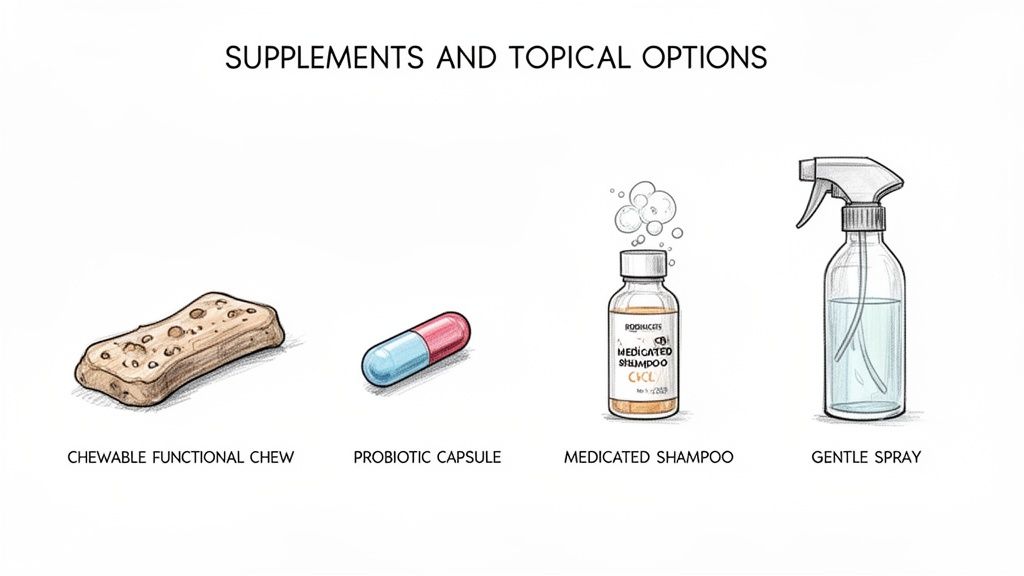
So, you've done the work. You’ve tweaked your dog’s diet and turned your home into an allergy-safe haven, but your poor pup is still scratching. Don't be discouraged. Sometimes, their immune system just needs an extra helping hand, and that’s where targeted supplements and topical solutions can be brilliant.
Think of them as another layer of defence, working alongside all the other positive changes you’ve made to tackle your dog’s discomfort head-on.
You’re not alone in this struggle. As more places across the UK welcome our four-legged friends, dogs are encountering a wider range of potential allergens. It's become such a common concern that articles on dog allergies saw a huge 51.1% jump in media coverage between 2023 and 2024. If you're curious about the numbers, you can dive into the latest allergy statistics research for more detail.
Vet-Approved Supplements for Internal Support
Supplements are all about building resilience from the inside out. They aren't a magic wand for instant relief, but with consistent daily use, they can genuinely help manage chronic inflammation and strengthen that all-important skin barrier.
Two of the most effective ingredients to look for are quercetin and probiotics.
- Quercetin: This is a natural plant compound often nicknamed "nature's antihistamine." It works by helping to stabilise the mast cells that release histamine—the very culprit behind all that itching and redness.
- Probiotics: These are all about gut health. A healthy, balanced gut microbiome is directly linked to a calmer, more balanced immune system, which is less likely to overreact to allergens in the first place.
Many dog owners find that functional chews are the easiest way to get these beneficial ingredients into their dog’s daily routine. After all, what dog says no to a tasty treat? Our guide on supplements for dogs with allergies takes a much deeper look into how to choose the right products for your dog's unique situation.
Topical Treatments for Immediate Relief
While supplements are playing the long game, topical treatments are your go-to for providing immediate, soothing relief when your dog is having a bad day. Having the right shampoo or spray on hand means you can calm their irritated skin the moment a flare-up starts.
A Quick Word of Caution: Please only ever use products specifically formulated for dogs. Human products have a different pH balance and can contain ingredients that are toxic if licked, which your itchy dog will almost certainly do.
Medicated shampoos are a must-have, especially if your dog’s scratching leads to secondary skin infections. Look for shampoos containing chlorhexidine, an antiseptic ingredient that’s great for dealing with the bacteria and yeast that can take hold on damaged skin.
For those angry-looking hot spots or particularly intense patches of itching, a vet-approved hydrocortisone spray can be a real game-changer. It gets to work quickly, reducing inflammation and breaking that frustrating itch-scratch cycle so the skin finally has a chance to heal.
Comparing Popular Allergy Support Options
Here’s a breakdown of common treatments to help you understand their role in your dog's allergy management plan.
| Treatment Type | Primary Function | Best Suited For | Important Considerations |
|---|---|---|---|
| Medicated Shampoos | Cleaning the skin, removing allergens, treating infections | General skin irritation, secondary bacterial/yeast infections | Frequency of use is key; follow vet's instructions. |
| Topical Sprays | Providing rapid, localised itch relief | Hot spots, insect bites, acute flare-ups | Use sparingly; prevent your dog from licking the area. |
| Probiotic Chews | Supporting gut health and immune system balance | Long-term management of chronic allergies | Consistency is crucial; effects build over several weeks. |
| Antihistamine Chews | Reducing histamine-related symptoms (itching, redness) | Mild to moderate seasonal or environmental allergies | Can cause drowsiness in some dogs; find the right formula. |
By combining these external solutions with internal support from supplements, you’re creating a powerful, well-rounded strategy to get your dog’s allergies under control for good.
When to Partner with Your Vet for Medical Treatments
While getting to grips with your dog's environment and diet at home is a fantastic first step, there are times when you absolutely need to bring in the professionals. Knowing when to escalate from home care to a vet visit is crucial for getting your dog some real, lasting relief.
If you’re seeing raw, weeping hot spots, or the scratching has become so relentless it’s keeping everyone up at night, it’s time to call the vet. Another big clue is a foul, yeasty smell coming from their skin or ears. These are all signs that a simple allergy has likely spiralled into a secondary infection, and that requires a proper diagnosis and treatment.
And you're not alone in this. With over 12 million dogs in UK homes, allergies are a growing concern. Recent data shows environmental allergies affect 3.6% of dogs, and flea allergies hit 1.8%—and both figures are on the rise. If you're interested in the bigger picture, you can read more about the latest UK pet allergy insights.
Understanding Vet Diagnostics
Your vet isn’t just going to take a wild guess. They have a whole toolkit of diagnostic methods to get to the bottom of what’s making your dog so miserable. The goal is to gather concrete evidence to pinpoint the specific trigger, so the treatment plan is targeted and effective.
Here’s what you can expect:
- Skin Cytology: This sounds complicated, but it's a simple, painless test. Your vet will take a quick sample from your dog's skin using special tape or a microscope slide. They’ll pop it under the microscope to hunt for nasty bacteria or yeast, which are common culprits that piggyback on allergic reactions.
- Blood Allergy Testing: A blood sample can be sent off to a lab to measure your dog’s immune response to a huge range of environmental allergens, from different pollens and grasses to pesky dust mites.
- Intradermal Allergy Testing: Often seen as the gold standard for environmental allergies, this is usually done by a veterinary dermatologist. They’ll inject tiny amounts of potential allergens just under the skin to see which ones cause a localised reaction, a bit like the patch tests humans have.
These tests give your vet a clear roadmap, taking you from frustrating guesswork to a solid, data-driven action plan.
Prescription Medications and Advanced Therapies
When the itching is severe, your vet will likely prescribe medication to break that awful scratch-itch cycle and give your dog some immediate relief. These treatments are powerful tools in any allergy management strategy.
Important Takeaway: Medications like Apoquel and Cytopoint don't actually cure the allergy. What they do is block the itch signals at the source, which is incredibly effective. This stops the scratching and gives the inflamed skin a fighting chance to heal.
Apoquel comes as a daily tablet and gets to work within hours, targeting the enzymes that trigger itching and inflammation. If a daily pill sounds like a hassle, Cytopoint might be a better fit. It’s an injection your vet gives every four to eight weeks that neutralises a key protein responsible for sending those non-stop itch signals to the brain.
For a more permanent solution, your vet might bring up immunotherapy, often called allergy shots. Based on your dog’s specific allergy test results, a custom serum is created. By giving your dog tiny, regular injections of these allergens, the aim is to slowly desensitise their immune system, teaching it not to overreact. It’s a long-term commitment, for sure, but for many dogs, it offers the best hope for a life free from constant itching.
Common Questions on Finding an Allergy Remedy for Your Dog
When you're trying to get to the bottom of your dog's allergies, it's easy to feel like you're drowning in questions. I've been there. Getting straight, practical answers is the first step to feeling in control and building a plan that actually works for your best mate.
Let's cut through the noise and tackle some of the most common queries I hear from fellow dog owners. Remember, this is all about finding what clicks for your dog. Every single one is different, but knowing the general timelines and principles helps you set realistic expectations and stay the course.
How Long Does It Take for an Allergy Remedy to Work?
This is the big question, and the honest answer is: it depends entirely on the approach you take. Some solutions offer quick relief, while others are a long game.
If you're going down the route of a dietary change, you’ll need to pack your patience. A proper elimination diet needs a strict 8-12 weeks before you can really start to see a difference in their skin and overall comfort.
Making changes to their environment, like bringing in an air purifier or upping your cleaning game, can start to show results within a few weeks. It’s a more gradual improvement. The same goes for supplements like Omega-3s or quercetin; they need time to build up in your dog's system. You'll want to give them consistently for at least 4-6 weeks to see their full anti-inflammatory power kick in.
For more immediate relief, veterinary medicines are often the answer.
- Apoquel tablets are known to stop the itch within hours.
- A Cytopoint injection can provide relief that lasts from four to eight weeks.
- Immunotherapy (allergy shots) is a very different beast. It’s a long-term strategy that can take six months to a year to really show significant, lasting results.
The key takeaway here is consistency. Whether you’re sticking to a new diet or giving a daily supplement, sticking with it is the only way you’ll know if it’s truly working.
Are Certain Dog Breeds More Prone to Allergies?
Yes, absolutely. Genetics play a huge part in a dog's likelihood of developing allergies, especially atopic dermatitis (allergies to things in the environment like pollen or dust mites). While any dog of any breed can struggle with allergies, some are just dealt a tougher hand.
We see it all the time in breeds like French Bulldogs, Golden Retrievers, German Shepherds, West Highland White Terriers, and Boxers. If you have one of these breeds, it’s just smart to be a little more watchful for the early signs—things like obsessive paw licking, red or inflamed skin, and those stubborn, recurring ear infections.
Spotting these symptoms early can make a world of difference. It often means you can get on top of the problem before it spirals into a chronic, much more frustrating issue to manage.
Can I Use Human Antihistamines for My Dog?
I hear this question a lot, and the answer is a hard no—unless you are acting under the direct, specific instruction of your vet. The dosage for a dog is completely different from a human's, and a safe dose for you could be seriously harmful to them.
Even more dangerous is that many human antihistamine products contain other active ingredients, like decongestants (pseudoephedrine or phenylephrine), which are toxic to dogs. On top of that, most over-the-counter antihistamines just aren't very effective for the intense skin-based itching dogs experience. It's always, always safer and more effective to use a treatment that has been specifically developed and approved for our canine friends.
At Tipaw, we're firm believers that targeted, natural support can be a cornerstone of good allergy management. Our functional chews are vet-approved and packed with high-quality ingredients like quercetin and probiotics to help calm itchy skin from the inside out. See our full range of health solutions and find the right support for your dog at https://www.store-tipaw.com.


