


Absolutely, probiotics can be a real game-changer for managing your dog's diarrhoea. When your dog has a tummy upset, their gut's natural balance of good bacteria is often thrown completely out of whack. Probiotics work by introducing reinforcements—a fresh army of beneficial microbes—to help restore order, firm up stools, and get things back to normal.
Think of it as bringing in a cleanup crew to help push out the bad guys causing all the trouble.
Why a Happy Gut Is Key to a Happy Dog
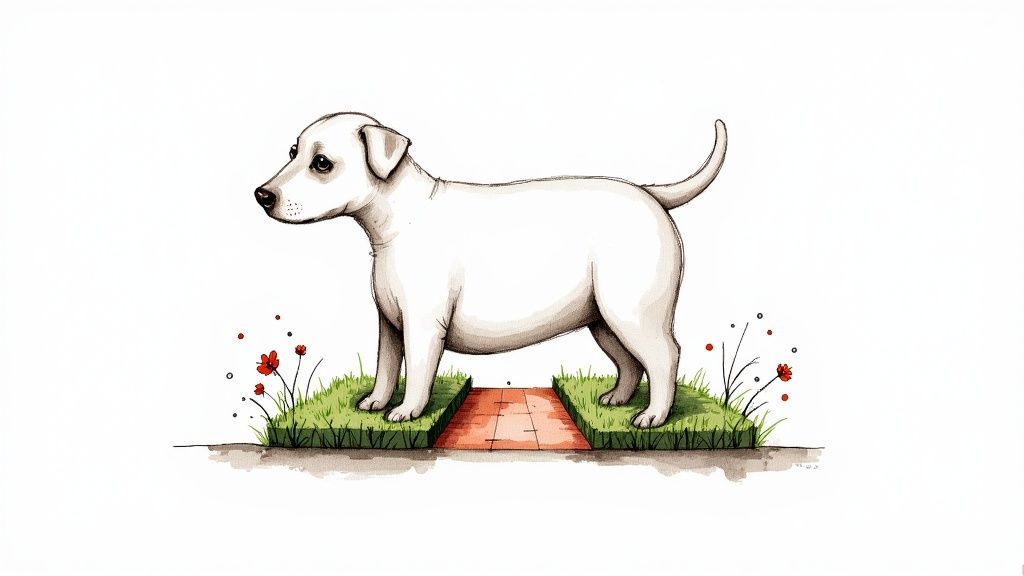
Picture your dog’s gut as a lush, thriving British garden. When everything is in harmony, the beneficial bacteria—the ‘good plants’—flourish, keeping the whole ecosystem healthy and vibrant. This bustling community is known as the gut microbiome, and it’s absolutely fundamental to your dog's overall well-being.
This internal garden does so much more than just process food. It’s the command centre for their immune system and a powerhouse for their vitality, helping them absorb nutrients, produce vitamins, and build a strong defence against illness.
When the Garden Gets Weeded
But like any garden, this delicate balance can be easily disturbed. Factors we see every day can act like weeds, quickly overrunning the good stuff and throwing your dog's gut into chaos. The result? Often, an unpleasant bout of diarrhoea.
Common culprits that disrupt gut balance include:
- Dietary indiscretion: We've all been there. They find and eat something they shouldn't have during a walk in the park.
- Sudden food changes: Switching their kibble too quickly without a slow, gradual transition.
- Stress and anxiety: Things like a trip to the vet, the arrival of a new pet, or even a change in routine can be enough to trigger an upset.
- Antibiotic use: While essential for fighting infections, these medications can unfortunately wipe out both the good and bad bacteria.
- Illness or infections: Underlying health problems can have a direct and immediate impact on digestive function.
When this disruption happens, the ‘weeds’—the harmful bacteria—can seize the opportunity to take over, leading to inflammation and digestive upset. This is precisely where using probiotics for dogs with diarrhea becomes such a powerful tool for restoring order.
A dog’s gut microbiome is a complex community of trillions of microorganisms. Keeping it balanced isn't just about preventing diarrhoea; it's about supporting their long-term health, from immunity right through to their mood. Restoring this balance is like replanting the flowers after the weeds have been cleared out.
A Common Concern for UK Dog Owners
Digestive trouble is anything but rare. Here in the United Kingdom, acute diarrhoea is a major reason for vet visits, affecting an estimated 8.18% of the dog population every single year. That's roughly 1 in every 12 dogs dealing with this uncomfortable condition annually.
Some breeds, like Cavapoos, German Shepherds, and Cockapoos, seem to be more prone to tummy troubles, as are very young puppies and senior dogs. You can dig deeper into the data on dog digestive health trends on Earth.com.
Understanding that the root cause is an imbalance in their internal ecosystem is the first real step. When we see diarrhoea not just as a symptom but as a sign of an unsettled gut, it's easier to grasp how probiotics work. They don’t just put a plaster on the problem; they help rebuild the garden from the ground up.
How Probiotics Put a Stop to Doggy Diarrhoea
Think of your dog’s gut as a bustling garden. When it’s healthy, it’s a vibrant ecosystem where beneficial plants thrive. But when diarrhoea hits, it's like a patch of weeds has taken over, throwing everything into chaos. Probiotics are like a team of master gardeners who arrive not to just pull the weeds, but to restore the entire garden to its natural, healthy balance.
Instead of just covering up the symptoms, probiotics get to the very heart of the issue. They work gently but purposefully to re-establish harmony in the gut, which is why they’ve become such a go-to for vets and savvy dog owners dealing with tummy troubles.
Bolstering the Gut's Protective Barrier
One of the most important things probiotics do is shore up the gut wall. Picture the lining of your dog’s intestines as a very fine-mesh fence, designed to let nutrients pass through while keeping harmful bugs and toxins safely contained. During a bout of diarrhoea, that fence can get damaged and become 'leaky'.
Probiotics help repair this barrier, patching up the holes and reinforcing its structure. By tightening up this defensive wall, they prevent irritants from getting through and causing more inflammation. This is a crucial first step in calming the gut down and firming up those loose stools.
Outcompeting the Bad Bugs
An upset stomach gives harmful bacteria the perfect chance to multiply and run riot. Probiotics tackle this by introducing a large, healthy population of "good guys" who compete with the troublemakers for resources.
It’s not a violent battle, but a simple numbers game. The beneficial bacteria move in and start using up the available space and food. As the good microbes flourish, they literally crowd out the bad ones, shrinking their population and tipping the balance back in favour of a healthy gut.
The whole point of using probiotics is to help the body heal itself. By adding more beneficial microbes, you’re giving your dog’s gut the reinforcements it needs to fix the imbalance and get over the diarrhoea.
Creating a Healthier Gut Environment
Probiotics aren't just passive residents; they're tiny, active factories. As they settle into the gut, they produce all sorts of beneficial compounds, most notably short-chain fatty acids (SCFAs). These SCFAs are like a superfood for the cells lining the colon, providing the energy they need to repair and stay healthy.
They also help to lower the pH in the gut, making it a much friendlier place for other good bacteria to grow and a far less welcoming environment for pathogens. This productive work is key to not only stopping the immediate problem but also building a stronger, more resilient gut for the long haul.
This approach is now a mainstay in modern veterinary practice. A major 2019 study revealed that UK vets used probiotics in 60% of all acute diarrhoea cases in dogs, showing a clear shift towards supportive, science-backed treatments. For a deeper dive, you can read the full study on veterinary therapeutic choices for canine diarrhoea.
Choosing the Best Probiotic Strains for Your Dog
Walking down the pet supplement aisle can be daunting. When you see complex scientific names like Bifidobacterium longum staring back at you from a label, it’s easy to feel overwhelmed. But here’s the most important thing to remember: not all probiotics are created equal.
Think of probiotics as a team of highly skilled specialists. Each bacterial strain has a very specific job to do when it comes to getting your dog’s gut health back on track. Choosing the right one isn't just about grabbing any old tub; it's about picking the right specialist for the job.
The A-Team of Canine Gut Health
When you're trying to manage probiotics for dogs with diarrhoea, a handful of specific strains have stood out in scientific studies for their effectiveness. These are the names you should be looking for on a product label, as they have a proven track record of helping dogs feel better, faster.
Here are some of the most beneficial and well-researched specialists:
- Enterococcus faecium: This is a fast-acting strain, great at quickly establishing a foothold in the gut. It helps manage sudden, acute diarrhoea by crowding out the bad bacteria.
- Bacillus coagulans: A tough, spore-forming bacterium that’s a real survivor. It can easily withstand the harsh, acidic journey through the stomach to get where it's needed most, helping to firm up stools and reduce nasty smells.
- Lactobacillus species (L. acidophilus, L. casei): This family of bacteria is brilliant at regulating stool quality and is a key player in helping your dog digest proteins and carbohydrates properly. They're foundational for long-term gut balance.
- Bifidobacterium species (B. animalis, B. longum): These are vital for resolving acute diarrhoea and giving your dog's immune system a boost. Some strains have even been shown to help reduce anxiety by influencing the gut-brain axis.
A special mention goes to Saccharomyces boulardii. It's not actually a bacterium but a beneficial type of yeast. This makes it a fantastic choice for diarrhoea caused by antibiotics, as the medication won’t harm it.
This diagram shows a simplified look at the main ways these helpful microbes work their magic in your dog's gut.
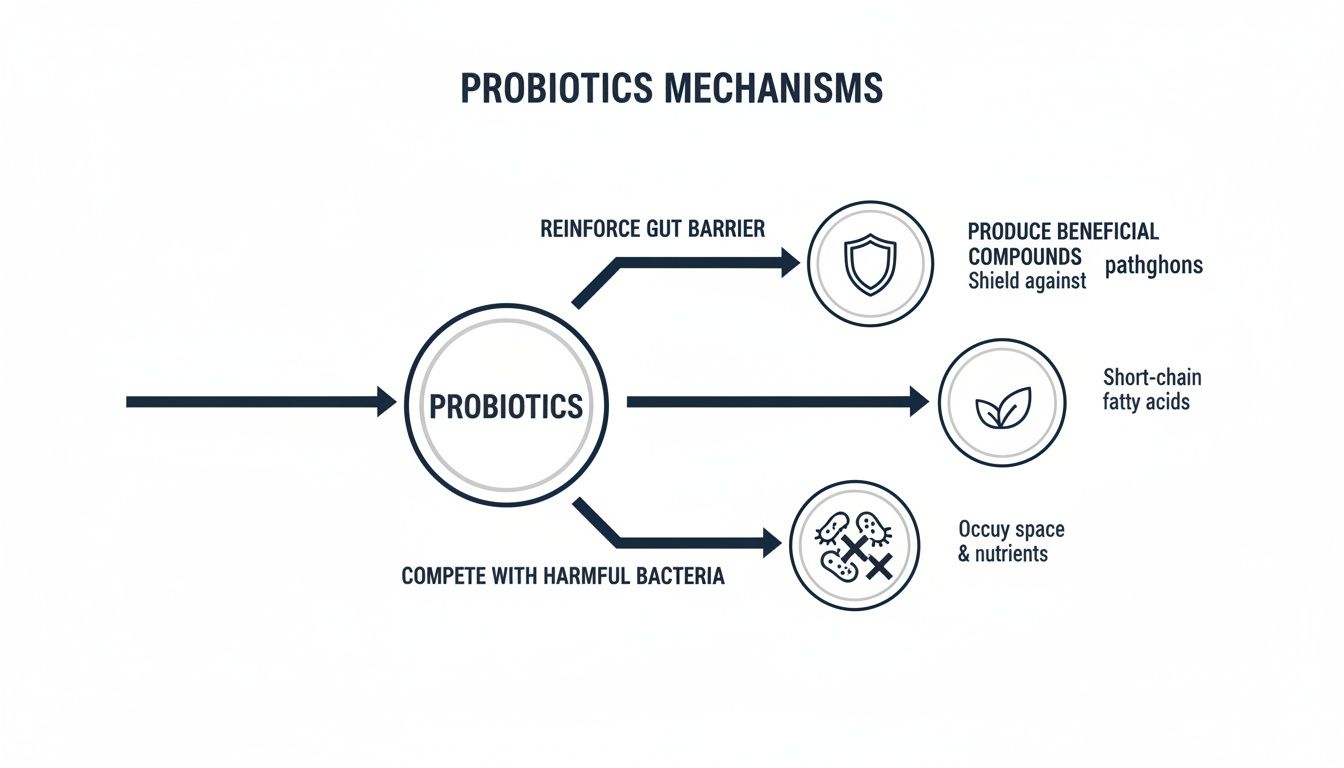
As you can see, they use a three-part strategy: strengthening the gut's natural defences, elbowing out harmful bacteria for space and food, and producing beneficial compounds that nourish the intestinal lining.
Why a Multi-Strain Formula is Often Best
While a single-strain probiotic certainly has its place, a formula that combines several complementary strains usually offers more comprehensive support. Think of it like a garden – a diverse range of plants creates a much healthier and more resilient ecosystem than a field of just one crop. A multi-strain product does the same for your dog's gut microbiome.
This "team" approach allows the different strains to work together, tackling the problem from various angles. For example, while Enterococcus faecium gets to work quickly on the immediate symptoms, Bifidobacterium can be working in the background to build up long-term immune strength. To dive deeper, you can learn more about the powerful combination of prebiotics and probiotics for dogs in our detailed guide.
To help you decode product labels with confidence, here’s a quick-reference table summarising the top probiotic strains and their specific roles.
Key Probiotic Strains and Their Roles in Managing Dog Diarrhoea
This table breaks down the most researched probiotic strains, what they do, and which types of diarrhoea they're best suited for.
| Probiotic Strain | Primary Function | Best For |
|---|---|---|
| Enterococcus faecium | Rapidly colonises the gut to outcompete harmful bacteria. | Acute diarrhoea, stress-induced digestive upset. |
| Bacillus coagulans | Improves stool consistency and survives stomach acid effectively. | General diarrhoea management and improving nutrient absorption. |
| Lactobacillus acidophilus | Regulates stool quality and helps maintain a healthy gut environment. | Post-antibiotic care, general digestive maintenance. |
| Bifidobacterium longum | Supports the immune system and helps resolve acute diarrhoea. | Diarrhoea linked to stress or illness, long-term immune support. |
| Saccharomyces boulardii | A beneficial yeast that is resistant to antibiotics. | Antibiotic-associated diarrhoea, preventing recurring digestive issues. |
By familiarising yourself with these key players, you'll be far better equipped to choose a product that offers the targeted support your dog needs to get back on their paws.
How to Choose a High-Quality Probiotic Supplement
Walking down the pet supplement aisle can be overwhelming. Dozens of tubs and packets all promise a miracle cure, but when your dog is suffering from diarrhoea, you need something that actually works. Cutting through the marketing fluff is the first step.
A top-notch probiotic will make a real difference, while a poor-quality one is just money down the drain. To pick a winner, you need to know how to read the label like a pro. Forget the flashy packaging—it's what's inside that counts.
Check the CFU Count
The first thing to look for is the CFU count, or Colony Forming Units. Don't let the technical term put you off. It's simply a measure of how many live, active bacteria are packed into each dose. Think of it as the size of the friendly army you’re sending to support your dog's gut.
For tackling diarrhoea, you need a meaningful number of troops. A good rule of thumb is to look for supplements providing between 1 and 10 billion CFUs per day. Anything less might not be enough to make a dent.
Here's the crucial part, though: the manufacturer should guarantee that CFU count at the time of expiry, not just when it was made. Probiotics are living organisms, and they die off over time. A guarantee ensures the product is still potent when you give it to your dog.
Stick to Dog-Specific Formulas
It might seem convenient to just give your dog a bit of your own probiotic, but that’s a bad idea. Your dog's gut is a world away from yours—it has a different pH and a totally unique community of native bacteria. Human probiotics just aren't designed for that environment.
Dog-specific supplements are formulated with strains that are proven to thrive in the canine gut, like Enterococcus faecium and Bifidobacterium animalis. Even more importantly, some human supplements contain ingredients like the artificial sweetener xylitol, which is highly toxic to dogs. Always, always stick to a product made for canines.
When you're choosing a probiotic, you're not just buying bacteria. You're investing in the right bacteria, packaged in a way that ensures they arrive alive and ready to get to work. Quality control isn't a luxury—it's essential.
Scrutinise the Quality and Packaging
Remember, probiotics are alive, and they're delicate. Heat, moisture, and even air can render them useless before they even reach your dog's food bowl. That's why the manufacturing process and packaging matter so much.
Here are a few hallmarks of a quality product:
- Manufacturing Standards: Look for brands that adhere to Good Manufacturing Practices (GMP). This is a set of strict quality control standards that ensures consistency and purity.
- Strain Specificity: A trustworthy label will list the full strain of the bacteria, not just the species. For example, you should see Bifidobacterium longum BL999, not just a vague "Bifidobacterium."
- Ingredient Transparency: The company should be upfront about everything in the product, including any added prebiotics or other helpful compounds. If your dog has ongoing tummy troubles, you might also want to learn about the role of digestive enzymes for dogs in our complete guide.
- Smart Packaging: Good probiotics come in packaging designed to protect them from light and moisture. Think individual sachets or specially coated containers that keep the microbes stable and effective.
Getting Dosing and Administration Right for the Best Results
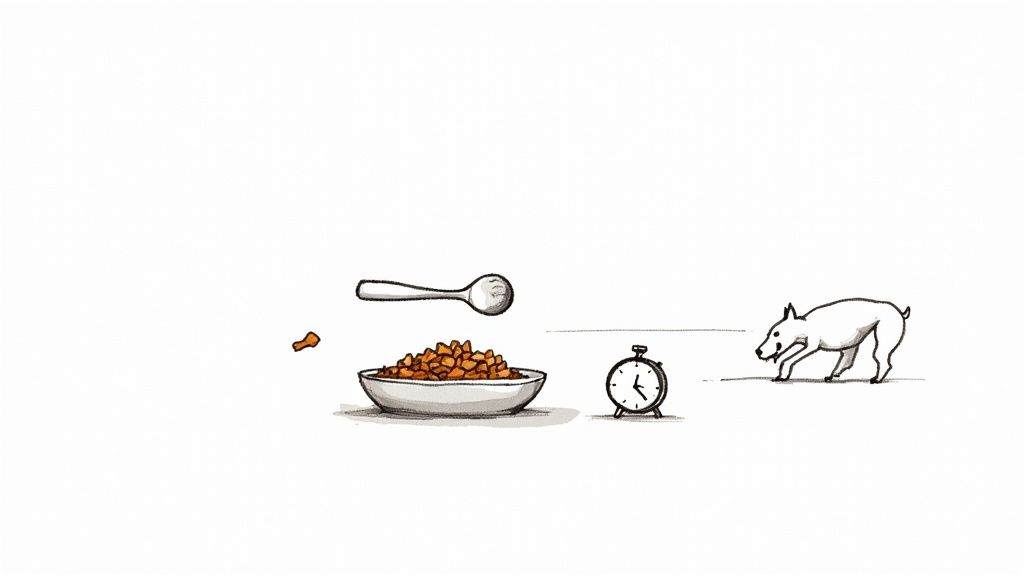
So, you’ve picked out a quality probiotic. Great! Now comes the practical part: getting it into your dog. How you administer the supplement is just as crucial as the product itself. The aim is to ensure those beneficial bacteria arrive in the gut alive and ready to get things back on track, all while keeping the process stress-free for everyone involved.
Thankfully, giving probiotics for dogs with diarrhoea is usually a simple affair. Most are made to be tasty, but following a few key pointers will help you get the most out of your investment in your dog’s well-being.
Getting the Dose Just Right
Unlike medicine, probiotic dosing isn't a strict science. It’s all about the concentration of the product (that CFU count we talked about) and your dog's size. Your first port of call should always be the manufacturer’s guidelines on the label—that’s your most reliable starting point.
These instructions are almost always organised by weight. It makes sense; a tiny Chihuahua needs a completely different amount than a massive Newfoundland. For instance, a typical guide might look like this:
- Small Dogs (under 10 kg): Usually need a small scoop or perhaps half a sachet.
- Medium Dogs (10-25 kg): Often require the standard dose, like one level scoop.
- Large Dogs (over 25 kg): May need a larger dose or multiple scoops to see an effect.
It's important to stick to the recommended amount. Too little, and you might not be introducing enough good bacteria to make a difference. While giving too much is generally safe, it can sometimes lead to a bit of gas or bloating as your dog’s system gets used to the new arrivals.
It's not so much when you give it, but that you give it consistently. Pick a time, morning or evening, and stick to it. This routine helps maintain a stable, healthy population of good bacteria in the gut, allowing them to properly colonise and do their job.
Mastering the Art of Administration
Making supplement time a positive event is half the battle. You want the probiotics to go down without a fuss. Luckily, most modern formats, from powders to chews, are designed to be mixed right in with their food.
Here are a few practical tips to make it a breeze:
- Mix it with a Meal: Always give probiotics with food. The meal acts as a buffer, shielding the delicate bacteria from the harsh stomach acid and ensuring more of them survive the journey to the intestines.
- Use a Tasty Carrier: If you have a fussy eater on your hands, try mixing powdered supplements with something they can't resist. A spoonful of plain, unsweetened yoghurt, a little wet food, or even some warm bone broth can work wonders to hide any new smells or textures.
- Choose the Right Format: If powders just aren't working, switch things up. Soft chews are often seen as a daily treat, and capsules can easily be tucked inside a bit of cheese or a pill pocket.
For a sudden bout of diarrhoea, you'll likely use the probiotic for a few days up to a week. If you're using it for long-term gut support or after a round of antibiotics, your vet might suggest continuing for several weeks or more. Always follow the product's directions or your vet's specific guidance for the best results.
When Your Dog's Diarrhoea Warrants a Vet Visit
Probiotics can be a fantastic first line of defence for simple tummy troubles, but it's crucial to understand their limits. They're a brilliant supportive tool, not a substitute for a vet's expertise.Knowing when to step back from home care and get professional help is a cornerstone of responsible dog ownership. Let's be clear: probiotics are part of your toolkit, but your vet is the one who needs to make the diagnosis when things get serious.
Red Flags to Watch For
If you spot any of the following symptoms alongside the diarrhoea, it's time to stop guessing and call your vet immediately. These are clear signs that something more is going on.
- Duration: The diarrhoea has been going on for more than 48 hours.
- Presence of Blood: You see any bright red streaks or the poo looks dark and tarry (like coffee grounds).
- Vomiting: Your dog is vomiting repeatedly, especially if they can't even keep water down.
- Lethargy: They seem unusually flat, weak, or just not themselves.
- Pain: They have a hunched-up posture, are whining, or seem reluctant to have their belly touched.
- Loss of Appetite: They’ve completely gone off their food and aren't interested in drinking.
Think of probiotics as a helping hand for an unbalanced gut, not a cure for a medical emergency. When you see serious symptoms, getting a proper diagnosis from a vet isn't optional—it's essential for your dog's safety.
These signs are especially urgent in very young puppies, older dogs, or those with existing health problems. These dogs can go downhill very quickly.
When Home Support Isn't Enough
A mild bout of diarrhoea in a healthy adult dog will often clear up with a bland diet and a bit of TLC. For those simpler cases, you can find some great tips in our guide to home remedies for dog diarrhoea.
However, home care and probiotics are meant for straightforward digestive imbalances. They can't treat the more serious issues that might be causing the diarrhoea, like infections, pancreatitis, a blockage in the gut, or other underlying illnesses.
Your vet is the only one who can figure out what's truly wrong. They have the tools to get to the root of the problem and prescribe the right treatment, which could be anything from fluids and medication to further tests. Acting fast when you see these warning signs is the best way to ensure your dog gets the expert care they need to bounce back safely.
Common Questions About Probiotics for Dogs
Even when you've got a good grasp of the basics, a few questions are bound to pop up. To help you feel completely confident, we've tackled some of the most common queries we hear from dog owners across the UK, offering clear, straightforward answers.
Can I Give My Dog Human Probiotics for Diarrhoea?
That’s a question we hear a lot, and the answer is a definite no. A dog's gut is a world away from our own, with a different pH level and its own unique blend of resident bacteria. Probiotics designed for dogs are specifically formulated with strains that are proven to survive and thrive in that environment.
Human products just aren't built for the job. In the best-case scenario, they simply won't work. But at worst, they could contain ingredients like the sweetener xylitol, which is incredibly toxic to dogs and could lead to a genuine medical emergency.
How Quickly Do Probiotics Work for Dog Diarrhoea?
For a straightforward, acute bout of diarrhoea, you can often see a real improvement in your dog's stool quality within one to three days. These beneficial bacteria get to work pretty quickly, helping to soothe the gut and restore a bit of balance.
But tackling the immediate symptoms is only half the battle. For the probiotics to truly set up shop, colonise the gut, and create lasting stability, it takes a few weeks of consistent daily use. It's crucial to stick with the full course recommended by your vet or the manufacturer, even if your dog seems back to normal after a day or two.
Think of it like this: the first few days are about putting out the fire. The weeks that follow are about rebuilding the house, making it stronger and more resilient for the future. Consistency is what really delivers that long-term gut health.
Are There Any Side Effects of Probiotics for Dogs?
The good news is that probiotics are overwhelmingly safe for most dogs. When you first introduce a new supplement, you might notice a few minor, temporary side effects as your dog's digestive system gets used to all the new microbial activity.
The most common reactions are usually mild and include:
- A bit more gas than usual
- Some light bloating
These signs are typically nothing to worry about and tend to disappear on their own within a few days as the gut microbiome settles down. If you notice anything that seems severe or doesn't clear up, it's always wise to stop the supplement and have a chat with your vet.
Should I Give My Dog Probiotics with Food?
Yes, absolutely. Giving your dog their probiotic with a meal is almost always the best approach. There's a simple, practical reason for this: the food acts as a buffer, protecting the delicate live bacteria from the harsh acid in your dog’s stomach.
This buffering action gives the probiotics a much better chance of making it through to the intestines alive and ready to do their job. Whether you're using a powder you can sprinkle, a tasty chew, or a capsule, mixing it with their food improves its effectiveness. Plus, it's usually the easiest way to get them to take it without a fuss. Making it part of a routine, like with their morning or evening meal, is a great way to make sure you never miss a dose.
Ready to give your dog the targeted digestive support they deserve? At Tipaw, we've developed vet-approved, all-natural supplements to help your companion live a happier, healthier life. Discover our range of effective solutions today.
Learn more about our products at https://www.store-tipaw.com


