


When you see your dog constantly itching and uncomfortable, finding a gentle yet effective solution is top of mind. A natural approach to dog allergies isn't about a single magic bullet; it's about getting to the root of the problem. We focus on adjusting their diet, managing their environment, and using natural remedies to calm symptoms like relentless itching and skin inflammation.
The goal is to support your dog’s immune system with whole foods, supplements, and soothing topical solutions, bringing them real, lasting comfort.
Decoding Your Dog's Itch: What Causes Canine Allergies?
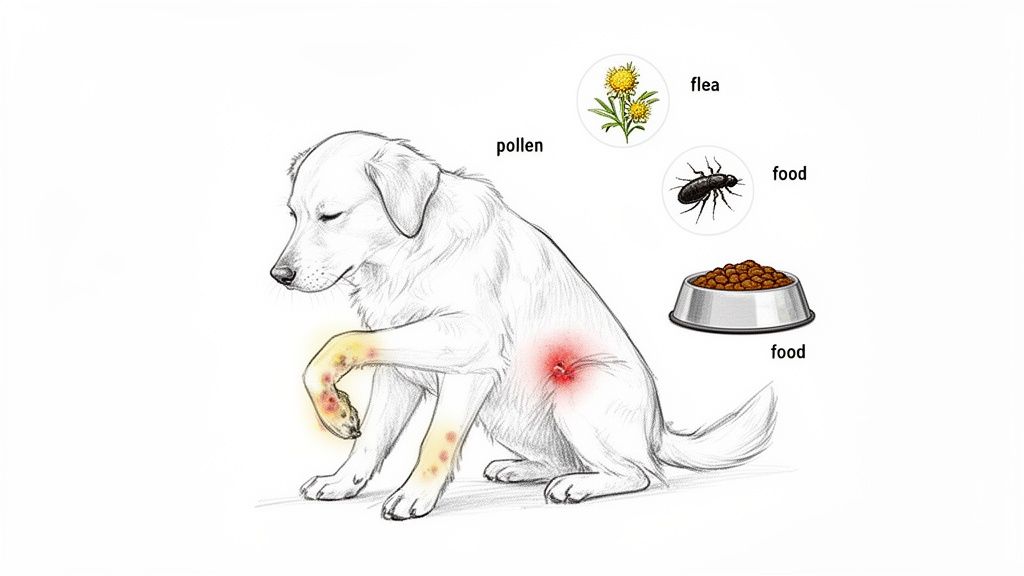
That endless scratching, licking, and chewing isn't just a quirky habit. It’s a huge red flag that your dog's immune system is kicking into overdrive. Think of their immune response as a well-meaning but overzealous security guard, mistakenly flagging harmless substances—like pollen or a protein in their food—as dangerous intruders. This false alarm triggers an inflammatory reaction that shows up as intense itching and angry, irritated skin.
Getting to the 'why' behind the itch is the first, most crucial step. Once you identify the trigger, you can move beyond just temporarily soothing the symptoms and build a proper management plan. This is where a natural strategy really shines, as it’s all about restoring balance rather than just suppressing a reaction.
The Three Main Allergy Culprits
Most dog allergies can be traced back to one of three common culprits. Pinpointing which one is affecting your dog is key to providing targeted, effective relief.
- Environmental Allergies (Atopic Dermatitis): This is the big one, affecting most allergic dogs. The triggers are allergens that are either inhaled or absorbed through the skin. Think of seasonal troublemakers like tree and grass pollens during a UK spring, or year-round irritants like dust mites, mould spores, and even the chemicals in household cleaners.
- Food Allergies or Sensitivities: A true food allergy is an immune reaction to a specific protein in your dog's diet. The most common offenders are often beef, chicken, dairy, and wheat. These allergies can pop up at any age and tend to cause a double-whammy of skin problems and digestive upset.
- Flea Allergy Dermatitis (FAD): This isn't an allergy to fleas themselves, but an intense reaction to proteins in their saliva. For a hypersensitive dog, the bite from just one flea can set off a chain reaction of severe, widespread itching, especially around their lower back and the base of their tail.
Recognising the Telltale Signs
Allergies can show up in many different ways, and the symptoms often overlap, making it tricky to diagnose without a little detective work. Catching these signs early can make a world of difference to your dog's comfort.
For a more detailed look at what to watch for, you can explore the common signs of dog allergies and get a clearer picture of your dog's behaviour.
Keep an eye out for persistent paw licking, chronic ear infections that lead to head shaking, red and inflamed skin, obsessive scratching, and the sudden appearance of raw, painful areas called 'hot spots'. When you start connecting these dots, it becomes clear why a gentle, holistic approach is often the best way forward.
Why a Veterinary Diagnosis Is Your First Step
Before you even think about natural remedies for your dog's allergies, your first and most important stop should be the vet's clinic. It's completely understandable to want to jump straight into solutions when you see your dog is miserable, but guessing what's wrong can often make things worse, prolonging their discomfort.
Think of your vet as a detective for your dog's health. You've noticed the clues—the scratching, the red skin—but they have the tools and expertise to properly investigate the scene and identify the real culprit. Without that professional insight, you could waste time and money treating the wrong problem entirely.
Ruling Out Allergy Imposters
Lots of different health problems can look exactly like allergies. That constant itching, licking, and irritated skin might have nothing to do with pollen or their dinner. A whole host of other conditions can mimic allergy symptoms, which is why getting an expert opinion is non-negotiable.
Your vet will give your dog a thorough physical examination to check for these other possibilities, making sure you're not barking up the wrong tree. This initial check is a critical first filter.
Some of the most common allergy lookalikes include:
- Parasites: Nasty little critters like mites (scabies or demodex) can cause frantic itching and patches of hair loss.
- Fungal Infections: Ringworm, a classic example, often causes tell-tale circular, scaly patches on the skin.
- Yeast Infections: An overgrowth of yeast can lead to greasy, smelly skin and some of the most intense itching imaginable.
- Bacterial Infections (Pyoderma): Skin infections often pop up as a result of all the scratching, creating sores, crusts, and painful "hot spots."
What to Expect at the Vet Visit
Knowing what happens during the appointment can make the process feel a lot less daunting. Your vet's goal is to be methodical, ruling out one possibility at a time until they land on the correct diagnosis. This isn't just about finding the problem; it's about creating a solid foundation for a treatment plan that actually works.
The process usually follows a few key steps:
- A Detailed History: The vet will ask you lots of questions about your dog’s diet, environment, lifestyle, and when the symptoms first appeared. Come prepared to share every little detail you’ve observed.
- A Full Physical Exam: They'll do a complete head-to-tail check, looking closely at your dog's skin, coat, paws, and ears.
- Simple Skin Tests: To check for those allergy imposters, your vet might perform some quick, painless tests right there in the clinic. A skin scraping can find mites under a microscope, while a skin cytology helps identify yeast or bacteria.
“A professional diagnosis is the bedrock of any effective allergy management plan. Without it, even the best natural remedies are just shots in the dark. Certainty is the first step toward relief.”
If these initial tests come back clear and an allergy is still the prime suspect, your vet will talk you through the next steps. This might mean allergy testing (blood tests or skin tests) for environmental triggers, or recommending a strict food elimination trial to nail down a food sensitivity.
This methodical approach ensures that any natural dog allergy treatment you decide to try is targeted, effective, and—most importantly—safe for your best friend.
How Diet Can Calm or Fuel Your Dog's Allergies
What you put in your dog's bowl is so much more than just a meal. It's one of the most powerful tools you have for managing their allergies naturally. The right diet can strengthen their skin's natural defences and soothe an overactive immune system, while the wrong one can be like throwing fuel on a fire, trapping them in a miserable cycle of itching and inflammation.
When you suspect a food sensitivity is at play, their diet is the first, most logical place to start your investigation. Think about those nagging, year-round problems: the constant paw licking, the recurring ear infections, or the upset tummy. These are often tell-tale signs that a hidden ingredient in their food is the real culprit. Getting to the bottom of it isn't just about symptom relief—it's about removing the trigger at its source.
This journey always starts with your vet. They'll first rule out other potential causes, then guide you through testing (like a diet trial), and finally help you build a solid long-term plan.
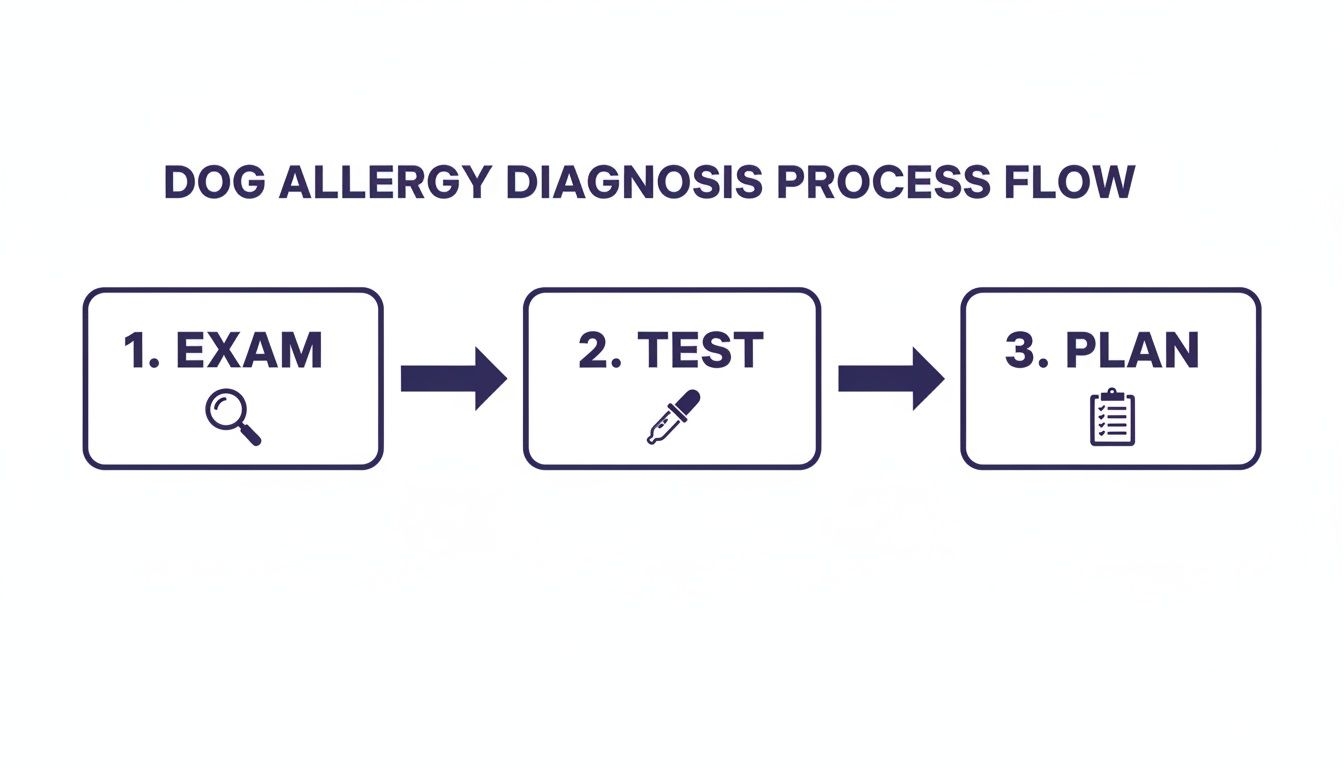
As you can see, a carefully managed diet trial is a cornerstone of the diagnostic process. It bridges the gap between the initial exam and a final, effective management strategy, proving that nutrition is both a diagnostic tool and a remedy.
The Elimination Diet: Your Food Detective Toolkit
Think of an elimination diet as a bit of detective work. The goal is simple, but it demands real dedication: you systematically remove all potential problem ingredients and then reintroduce them one by one, watching closely to see which one (if any) causes a reaction. Vets agree this is the gold standard for pinpointing food sensitivities.
To get started, you’ll work with your vet to choose a new food built around ingredients your dog has never eaten before. This usually points you toward two main options:
- Novel Protein Diets: These foods feature a single protein source that's completely new to your dog—think duck, venison, or even kangaroo—paired with a simple carbohydrate like sweet potato. The novelty is the secret sauce; the immune system hasn't had a chance to develop a negative response to it.
- Hydrolysed Protein Diets: These are special prescription diets where the proteins are broken down into such tiny fragments that the immune system doesn't even recognise them as a threat. They're an excellent, highly effective option for dogs with extreme sensitivities.
For an elimination trial to work, you have to be 100% strict for a full 8 to 12 weeks. That means no other foods, treats, table scraps, or even flavoured dental chews. A single slip-up can unfortunately contaminate the results, sending you right back to square one.
Common Culprits and Hypoallergenic Swaps
While technically any food can cause an allergy, experience shows us that a handful of common proteins and grains are the most frequent offenders. Knowing what they are helps you and your vet make a smart choice for your dog's trial diet. You can learn more about the connection between food and skin health by reading up on the specific symptoms of dog food allergies and what they signal.
To help you get started, here's a look at some common allergens and the fantastic hypoallergenic alternatives you can swap them with.
Common Food Allergens vs Hypoallergenic Alternatives
| Common Allergen | Hypoallergenic Alternative | Why It's a Good Choice |
|---|---|---|
| Beef or Chicken | Duck, Venison, or Rabbit | These are "novel" proteins for most dogs, meaning their immune system is unlikely to have seen them before. |
| Wheat or Corn | Sweet Potato or Peas | These are less common in standard dog foods and offer a great source of fibre and key nutrients. |
| Dairy (Cheese, Milk) | None (Avoid during trial) | Dairy is a very common trigger for digestive and skin issues and should be completely cut out during the test. |
| Soya or Egg | Fish (e.g., Salmon, Sardines) | Fish provides a high-quality protein source with the brilliant bonus of anti-inflammatory Omega-3 fatty acids. |
After the 8- to 12-week trial period, if your dog’s symptoms have vanished or significantly improved, it's time for the "challenge" phase. You'll reintroduce just one of the old ingredients (like chicken) for a week or two and watch. If the itching and scratching come roaring back, you’ve found your culprit.
This methodical process is the only way to get the clear, concrete answers you need to build a safe, long-term diet that keeps your dog happy, healthy, and finally itch-free.
Creating a Low-Allergen Haven at Home
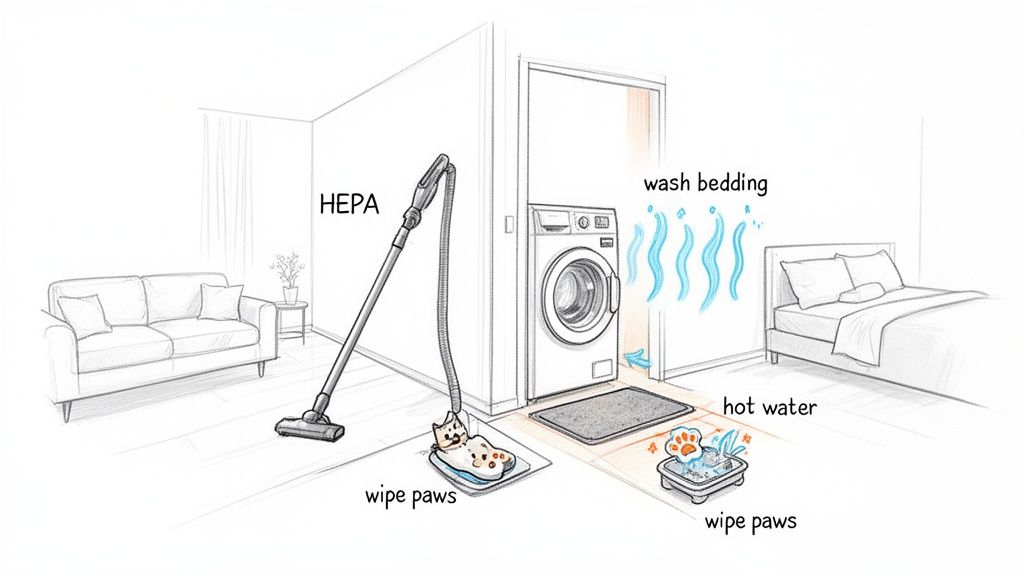
If your dog is battling environmental triggers like pollen, dust mites, or mould, your home can either be a source of constant irritation or a sanctuary of relief. Taking control of these invisible allergens is one of the most practical things you can do. The idea is to lower the overall "allergen load" your dog's system has to deal with, giving their immune system a much-needed break.
Think of your dog’s immune system as a bucket. Every single allergen—a bit of pollen, some dust, a particular food—adds a little water. An allergic reaction is what happens when the bucket finally overflows. By managing their home environment, you’re effectively tipping a good amount of water out of the bucket, making it far less likely to spill over.
This isn't about sterilising your home from top to bottom. It's about making smart, sustainable changes that can dramatically reduce flare-ups and improve your dog's day-to-day comfort.
Your High-Impact Cleaning Checklist
A consistent cleaning routine really can make a world of difference. The trick is to focus your efforts on the places where allergens love to hide and where your dog spends most of their time.
-
Vacuum with a HEPA Filter: A standard vacuum can sometimes do more harm than good, spitting tiny allergens like pollen and dust mite droppings straight back into the air. A vacuum with a HEPA (High-Efficiency Particulate Air) filter is a game-changer, designed to trap 99.97% of these microscopic particles. Aim to vacuum carpets, rugs, and furniture at least twice a week.
-
Wash Bedding in Hot Water: Your dog’s bed is a five-star hotel for dust mites and dander. To evict them for good, wash all their bedding, blankets, and soft toys once a week in water that’s at least 60°C. That high temperature is what it takes to kill the mites and wash away their irritating waste.
-
Dust with Damp Cloths: Dry dusting just sends allergens on a little holiday around the room before they settle again. A damp microfibre cloth, on the other hand, traps dust and dander, removing it from your home for good.
These small habits add up, chipping away at the constant allergen exposure that keeps your dog’s immune system on high alert.
Managing Airborne and Outdoor Allergens
Next, you need to think about what’s floating in the air and what gets tracked inside from the great outdoors. This is especially crucial for dogs who suffer from seasonal allergies to pollen and outdoor moulds.
Creating a low-allergen home is one of the most empowering steps you can take. It gives you direct control over your dog's daily exposure to triggers, providing a foundation of comfort that supports all other natural treatments.
An air purifier with a proper HEPA filter, placed in the room where your dog sleeps, can seriously cut down on airborne allergens. It’s a simple way to help them get a restful, itch-free night.
Beyond air quality, you need a plan for tackling what comes in on their paws and fur.
The Paw-Wiping Protocol
Every time your dog goes for a walk, their paws and coat act like tiny mops, soaking up pollen, grass, and other allergens. Putting a simple routine in place for when they come back inside isn't just a nice idea—it's a non-negotiable tactic for managing environmental allergies.
- Set Up a Cleaning Station: Keep a shallow tray of water and a dedicated towel right by the door so it’s always ready.
- Wipe Paws Every Time: After every single trip outside, gently wash and dry your dog’s paws. This stops them from licking the allergens off or tracking them all through the house.
- Wipe Down Their Coat: Use a damp cloth to give their coat and belly a quick wipe-down, especially if they’ve had a good roll in the grass. This one simple action can remove a huge amount of surface pollen.
By turning your home into a low-allergen haven, you create a safe space where your dog’s body can finally calm down, heal, and build resilience. This environmental control is the bedrock of a successful, holistic approach to managing their allergies for good.
5. Soothing Topical Remedies for Instant Itch Relief
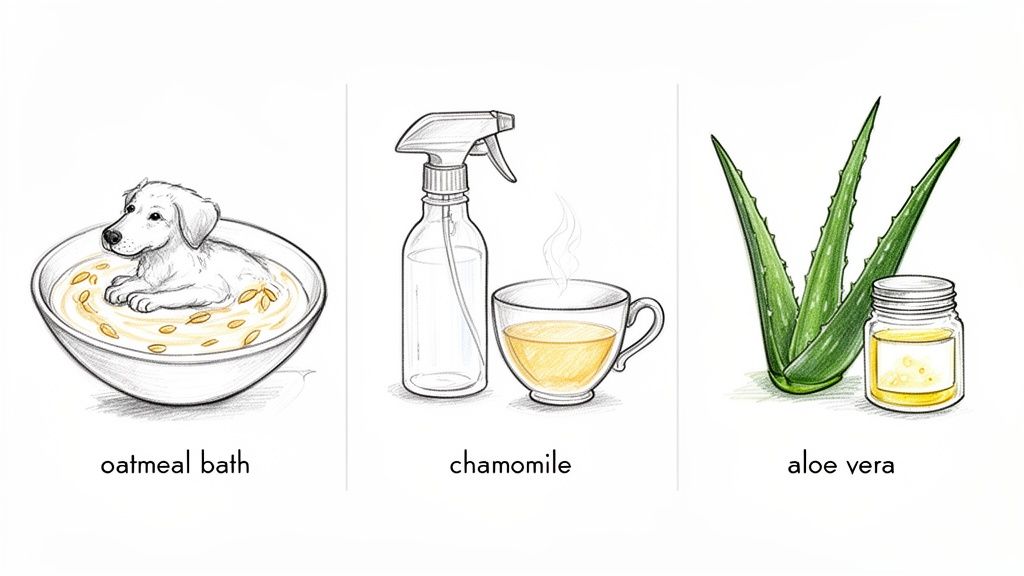
When your dog is in the throes of an itchy flare-up, you need something that works now. While diet and supplements tackle the allergy from the inside out, topical remedies give your dog the immediate, hands-on comfort they're craving.
Think of these as your first-aid response. They calm angry, inflamed skin on contact and help break the relentless scratch-itch cycle that can lead to nasty secondary infections. They’re your way of providing that much-needed relief while the deeper, long-term strategies get to work.
An All-Over Oatmeal Bath for Widespread Itching
If your dog is itchy all over, a colloidal oatmeal bath can be a game-changer. This isn't your standard breakfast porridge; colloidal oatmeal is ground into an incredibly fine powder that dissolves and stays suspended in the water, creating a milky, soothing soak.
As it coats your dog's skin, it forms a soft, protective film that helps lock in moisture. But the real magic comes from its natural compounds, called avenanthramides, which have proven anti-inflammatory properties that help dial down redness and irritation. It's a classic, time-tested remedy for a reason—it brings gentle, effective relief.
Here’s how to do it right:
- Whizz some plain, unflavoured rolled oats in a clean coffee grinder or blender until you have a fine, silky powder.
- Stir about a cup of the powder into a tub of lukewarm water. It should feel smooth and look milky.
- Help your dog into the tub and let them soak for 10–15 minutes. Gently ladle the water over their back, but be careful to keep it out of their eyes.
- After the soak, give them a light rinse with clean, lukewarm water and gently pat them dry with a towel—no vigorous rubbing!
Targeted Treatments for Hot Spots and Sore Patches
Sometimes, the problem isn't everywhere. You might be dealing with an angry red "hot spot," an irritated belly, or inflamed paws. In these cases, a full bath is overkill, and a more focused approach is better.
Cooled chamomile tea is a brilliant go-to. Chamomile has natural anti-inflammatory and mild antiseptic qualities, making it perfect for dabbing onto sore areas. Just brew a strong cup of chamomile tea, let it cool completely (pop it in the fridge to speed things up), and use a cotton ball or soft cloth to gently apply it to the problem skin.
Safety First: A Word of Caution on Home Remedies
Before you apply anything new, always do a small patch test on a clear bit of skin to check for any reaction. And crucially, never put home remedies on open sores or broken skin without checking with your vet first. You don't want to accidentally trap bacteria and make things worse.
Pure aloe vera gel is another fantastic option for its cooling, anti-inflammatory power. But you have to be picky. The gel must be 100% pure aloe vera from the inner leaf only, with absolutely no alcohol or other additives. The outer leaf of the aloe plant contains latex, which is toxic to dogs, so read your labels carefully.
When dabbed onto a hot spot, the gel provides instant cooling relief from that burning feeling and helps the skin start to heal. These targeted remedies are perfect for getting on top of minor flare-ups before they spiral.
Supplements That Support Your Dog From The Inside Out
While shampoos and a tidy home offer welcome relief on the surface, a truly effective allergy plan has to work from the inside out. Think of it like looking after a garden. You can pull weeds all day long, but for the plants to really flourish, you have to nourish the soil. The right supplements act like that enriched soil, giving your dog’s body the raw materials it needs to get its immune response back on track.
This is all about building long-term resilience, not just chasing symptoms. The goal is to help regulate the overactive immune system that’s causing the misery in the first place. By calming inflammation at a cellular level and strengthening the body's natural defences, you can often reduce how often flare-ups happen and how severe they are when they do.
Omega-3 Fatty Acids: The Anti-Inflammatory Powerhouse
One of the most heavily researched supplements for skin health is Omega-3 fatty acids. We’re specifically talking about EPA and DHA, the types most commonly found in fish oil. These aren’t just generic 'good fats'—they are potent anti-inflammatory agents. They get to work by changing the makeup of your dog's cell membranes, making them less likely to churn out the inflammatory compounds that trigger all that itching and redness.
Picture your dog's immune system as having a series of switches. Allergens come along and flick the "inflammation" switch to ON. Omega-3s help to gently dial that switch back down, calming the entire system. Adding these to your dog's diet can lead to a much stronger skin barrier, a healthier coat, and, over time, a noticeable drop in itchiness.
Quercetin: Nature’s Antihistamine
If you’ve ever wished for a natural alternative to antihistamine drugs, it’s worth getting to know Quercetin. This is a compound derived from plants like apples and berries, and it’s a type of flavonoid celebrated for its powerful antioxidant and anti-inflammatory properties. But its real claim to fame in the allergy world is its knack for stabilising mast cells.
Mast cells are the immune system's first responders. When they spot an allergen, they burst open and release histamine—the chemical behind all the classic signs of an allergy like itching, swelling, and redness. Quercetin essentially tells these mast cells to take a breath and hold onto their histamine, stopping the allergic cascade before it even gets going.
Integrating a high-quality supplement is more than just giving a treat. It’s a proactive, daily commitment to building a stronger, more balanced immune system that’s better equipped to handle allergic triggers.
Probiotics: The Gut-Skin Connection
The link between a healthy gut and healthy skin is clearer now than ever before. It turns out a huge chunk of your dog's immune system—around 70%—is located in their gut. The trillions of bacteria living there, known as the microbiome, play a massive role in teaching the immune system how to tell the difference between a real threat and a harmless substance.
When this gut bacteria gets out of balance, the immune system can go haywire and start overreacting to everyday allergens. Probiotics are simply beneficial bacteria that help restore that crucial balance. By supporting a healthy gut microbiome, you're directly supporting a more stable and less reactive immune system, which translates to calmer, healthier skin.
This focus on internal health has become vital for UK dog owners. Awareness of dog allergies has shot up recently, with online articles on the topic seeing a 51.1% increase in interest. This reflects a growing problem among the nation's 12 million dogs, who are facing more environmental triggers and sending owners searching for effective, natural solutions.
A well-formulated chew, like those from Tipaw, brings these key ingredients together into a simple, daily tool for building up this internal defence system. It’s an essential piece of a complete allergy management puzzle. For a deeper dive into how specific ingredients can transform your dog's skin, you can explore our detailed guide to the best dog skin supplements.
Your Questions Answered: A Practical Guide to Natural Allergy Care
Dipping your toes into the world of natural allergy support for your dog can feel a bit overwhelming, and it's normal to have a few questions. Let's tackle some of the most common ones we hear from dog owners across the UK, so you can feel confident in the choices you make for your companion.
How Long Until Natural Treatments Start to Work?
When it comes to natural approaches, patience really is a virtue. Unlike a quick-fix pill that might mask the symptoms, natural remedies are all about getting to the root of the problem and helping the body heal itself. This process doesn't happen overnight.
If you've started a supplement plan with things like Omega-3s or probiotics, you'll likely begin to notice a difference in your dog's skin and coat in about 4 to 8 weeks. For something more intensive like a food elimination trial, you need to stick with it for a full 8 to 12 weeks to get a clear picture. Think of it as building a stronger foundation for health, one that makes your dog less prone to flare-ups in the long run.
Can I Give My Dog a Human Antihistamine?
This is a firm "no" unless you're acting under the direct guidance of your vet. While it's true that vets sometimes use human antihistamines, the dosage for a dog is completely different and must be calculated with absolute precision.
What's even more dangerous is that many over-the-counter products contain other ingredients, like decongestants or artificial sweeteners (xylitol is a big one), which are extremely toxic to dogs. It's just not worth the risk. Always have a chat with your vet first to find a safe and suitable option.
It's easy to think 'natural' means 'safe,' but that's not always the case. Certain plants and essential oils can be toxic for dogs, and ironically, a dog can even be allergic to a 'natural' ingredient. Always stick to products that have been specifically formulated for dogs and given the green light by vets.
When Are Prescription Meds the Right Call?
Natural therapies are a fantastic tool, but they're part of a bigger picture and shouldn't be seen as a replacement for conventional veterinary medicine. When your dog is in the middle of a miserable flare-up, with intense itching that could lead to self-harm, prescription drugs are often vital. They're also essential for clearing up the nasty secondary bacterial or yeast infections that can take hold when the skin barrier is broken.
The real goal is to use a consistent natural strategy to make those severe flare-ups less frequent and less intense. By doing this, you can hopefully reduce the need for prescription drugs over the long term, supporting your dog's health from the inside out.
At Tipaw, we're all about combining the best of nature and science. Our vet-approved, 100% natural chews are designed to calm itchy skin and support a balanced immune system where it all begins—in the gut. Give your dog the relief they deserve. You can check out our effective, natural solutions at https://www.store-tipaw.com.


